

Table of Contents
- What Is SUDS Compliant Paving?
- Benefits of SUDS Compliant Paving for Residential Properties
- Permeable Paving Planning Permission in the UK
- Types of SUDS Compliant Paving Suitable for Homes
Last Updated: August 29, 2026
What Is SUDS Compliant Paving?
SUDS compliant paving is a permeable surface designed to manage rainwater on residential properties by allowing water to drain through the material into the ground below, rather than running off into drainage systems. SUDS stands for Sustainable Drainage Systems, a requirement under UK planning regulations to reduce surface water flooding and improve water quality in local environments (gov.uk).
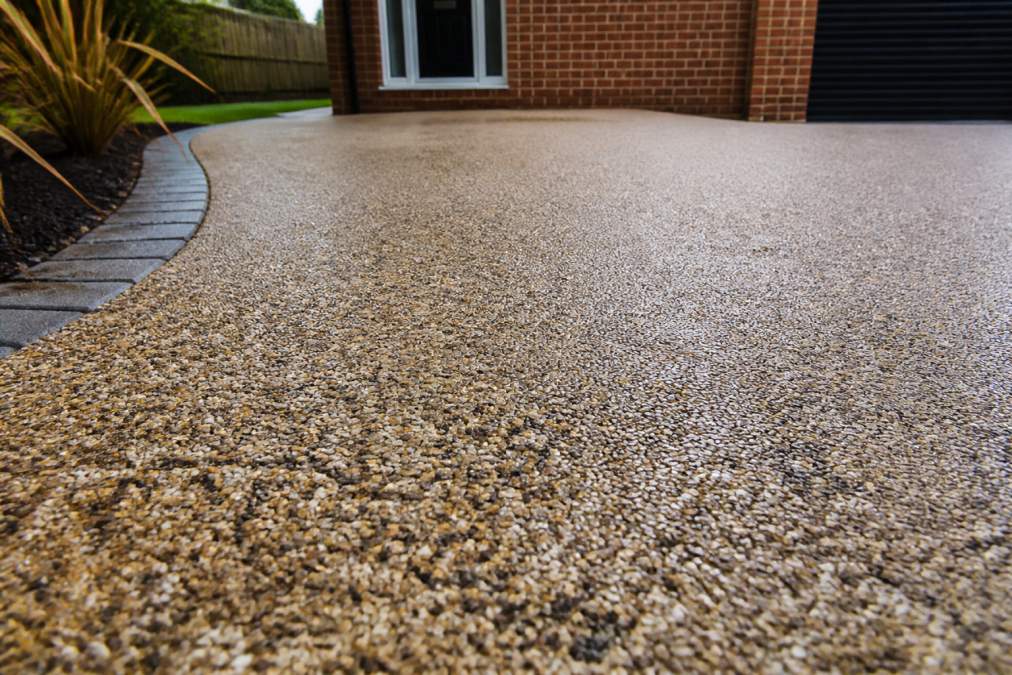
The concept centres on mimicking natural drainage processes. Traditional concrete and tarmac surfaces create impermeable barriers that force rainfall into overwhelmed drainage infrastructure. SUDS compliant paving reverses this by using specially designed materials and sub-base systems that capture, filter, and slowly infiltrate water back into the soil. According to Environment Agency guidance on sustainable drainage, properly installed SUDS can reduce flood risk whilst supporting biodiversity and improving air quality in residential areas.
Benefits of SUDS Compliant Paving for Residential Properties
Installing SUDS compliant paving delivers practical advantages beyond regulatory compliance. The primary benefit is flood resilience. During intense rainfall events, permeable surfaces absorb water that would otherwise pool on traditional driveways or overwhelm local drainage networks. Homes in Norfolk with SUDS-compliant surfaces experience fewer puddles and reduced risk of water entering garages or basements.
Water quality improvement is another significant advantage. As rainfall filters through SUDS paving, contaminants like oil, sediment, and pollutants are naturally filtered out before reaching groundwater. Maintenance benefits also stand out, permeable paving stays cleaner longer because water drains quickly, minimising moss and algae growth. From a property value perspective, SUDS compliance is increasingly seen as a desirable feature as climate resilience becomes more important to buyers.
Permeable Paving Planning Permission in the UK
Planning permission requirements for SUDS compliant paving vary depending on your property’s location and scope of work. In most cases across Norfolk, installing a new driveway or replacing an existing one triggers the need for SUDS compliance under current Building Regulations and local planning policies.
For extensions to existing driveways or minor repairs, some exemptions apply. However, check with your local planning authority before starting work. The Building Regulations Approved Document H sets out the technical standards for drainage systems, including surface water management. Most local authorities in Norfolk have adopted these standards as minimum requirements. Professional installers familiar with local requirements, such as those at KT Lake Paving and Landscaping, can navigate these regulations and ensure your project meets all necessary standards.
Types of SUDS Compliant Paving Suitable for Homes
Several SUDS-compliant materials work well for residential driveways and patios.
Resin bound paving combines aggregate stones with a clear resin binder, creating a seamless, permeable surface. Water drains through the resin layer into the sub-base below. The finish is smooth, decorative, and available in numerous colour combinations. This option suits homeowners wanting a modern appearance without sacrificing drainage performance.
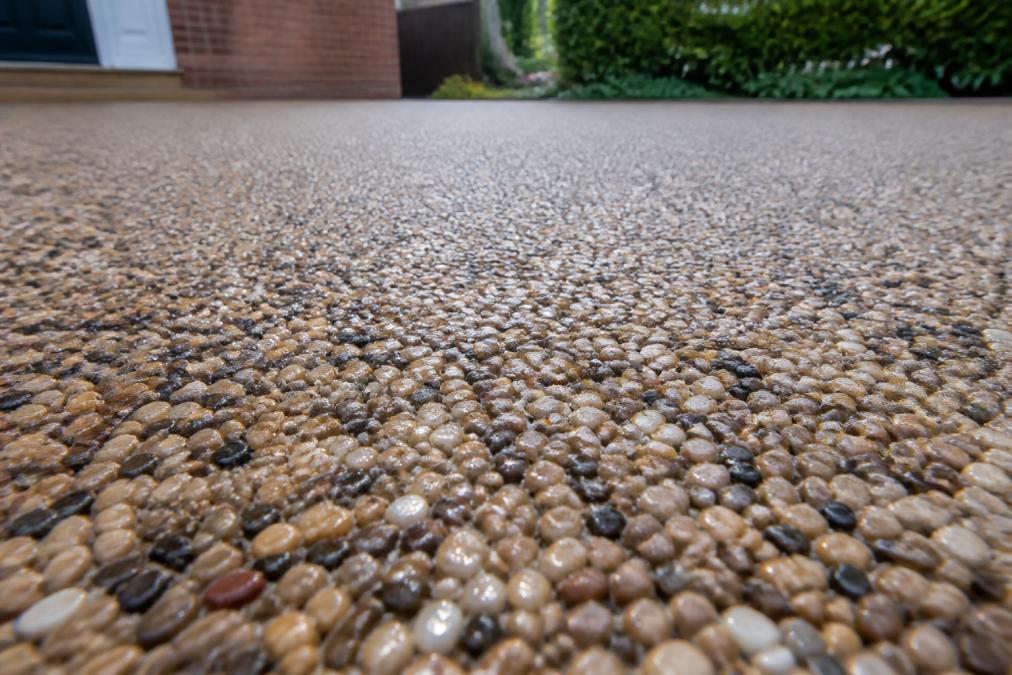
Permeable block paving uses specially designed concrete or clay blocks with narrow joints filled with permeable grout or left open. Water runs between blocks into the sub-base. This approach offers a traditional appearance whilst meeting SUDS requirements, with blocks available in various colours and patterns.
Gravel and shale surfaces remain fully permeable and require minimal binding. Water drains instantly through the material. These surfaces work best in lower-traffic areas like side driveways rather than main access routes.
Permeable asphalt uses open-graded asphalt that allows water penetration. It looks similar to traditional tarmac but functions as a SUDS surface. For most residential properties in Norfolk, resin bound and permeable block paving offer the best balance of durability, appearance, and compliance.
Installing SUDS compliant paving transforms how your property manages rainfall whilst meeting regulatory requirements that protect local water systems. The choice between resin bound, block paving, or other permeable surfaces depends on your aesthetic preferences and usage patterns. Professional guidance ensures your installation meets Building Regulations and local planning standards. KT Lake Paving and Landscaping brings over 30 years of experience in designing and installing SUDS-compliant surfaces across Norfolk, with every project backed by a 10-year guarantee and workmanship that meets or exceeds approved British Standards. Contact them for a free, no-obligation estimate to explore which permeable paving solution best suits your home.
Frequently Asked Questions
What are the benefits of SUDS compliant paving?
SUDS compliant paving reduces surface water runoff, helping prevent flooding and protecting local water systems. It allows rainwater to drain naturally through the surface into the ground, recharging groundwater and reducing strain on drainage infrastructure. For homeowners, this means fewer puddles, better water management, and compliance with UK building regulations. SUDS compliant paving also improves air quality by reducing dust and provides an attractive, modern finish to residential properties.
Do I need planning permission for permeable paving in the UK?
Most residential driveways and patios do not require planning permission if they are permeable or SUDS compliant. However, if your property is in a conservation area or listed building, you may need consent. The key requirement under UK Building Regulations is that any new or replacement hard surface over 5 square metres must be permeable or include drainage measures. Check with your local planning authority to confirm requirements for your specific property, as rules can vary by location.
How do I maintain resin bound paving?
Resin bound paving is low-maintenance compared to traditional surfaces. Sweep regularly to remove debris and rinse with water to keep it clean. For stubborn stains, use a soft brush with mild detergent and rinse thoroughly. Avoid harsh chemicals, pressure washers on high settings, and salt-based de-icers in winter, as these can damage the surface. Most resin bound installations retain their appearance and functionality for many years with basic care, making them ideal for busy households with children and pets.


