

Table of Contents
- Is a Resin Driveway Worth the Cost? The Long-Term Value Case
- Resin Bound vs Resin Bonded: Understanding the Difference
- Resin Driveway Maintenance Tips and Real-World Durability
- SuDS Compliant Driveway Requirements and Environmental Benefits
Last Updated: August 16, 2026
Is a Resin Driveway Worth the Cost? The Long-Term Value Case
When homeowners in Norfolk consider whether a resin driveway is worth the cost, they’re weighing immediate expense against long-term benefits. A resin bound driveway offers distinct advantages: superior longevity, minimal upkeep, and a permeable solution meeting modern drainage standards. However, the initial investment is higher, and understanding what you’re paying for separates smart decisions from expensive regrets.
This guide from KT Lake Paving and Landscaping examines whether a resin driveway is worth the cost by breaking down durability expectations, comparing it to block paving, and addressing the maintenance reality most installers overlook. The question isn’t whether resin is "worth it" in absolute terms, but whether it’s worth it for your specific situation and priorities.
The British Standards Institution guidance on permeable paving establishes rigorous standards for driveway installations, including resin surfaces.
Resin Bound vs Resin Bonded: Understanding the Difference
Resin bound is a seamless surface made by mixing aggregate (small stones) with polyurethane resin before installation. The mixture is laid and compacted across the sub-base, creating a uniform, permeable finish. This is the premium option: more durable, better-looking, and longer-lasting.
Resin bonded involves applying a thin resin layer to an existing surface, then scattering aggregate on top. It’s cheaper initially but less strong. The aggregate can shift, the resin wears faster, and repairs are more visible.
For a driveway in Norfolk expecting regular use, resin bound is the standard choice. It handles freeze-thaw cycles better, resists UV fading more effectively, and maintains appearance longer. A properly installed resin bound surface typically performs well for 15-20 years with minimal intervention, whilst resin bonded often needs refreshing after 8-10 years.
Resin Driveway Maintenance Tips and Real-World Durability
The "maintenance-free" claim deserves scrutiny. Resin driveways are low-maintenance, not zero-maintenance, an important distinction affecting whether a resin driveway is worth the cost for your household.
Regular maintenance extends lifespan:
- Sweep regularly. Remove debris and leaves weekly to prevent organic matter from staining the surface.
- Rinse with water. A garden hose removes surface dust and prevents algae growth. Avoid high-pressure washing, which can damage the resin layer.
- Address spills promptly. Oil, grease, and tar stain resin permanently if left to cure. Wipe spills immediately with absorbent material, then rinse.
- Avoid harsh chemicals. Bleach and strong solvents degrade polyurethane resin. Use mild detergent and water for stubborn stains.
- Reseal every 2-3 years. A protective topcoat extends durability and enhances colour.
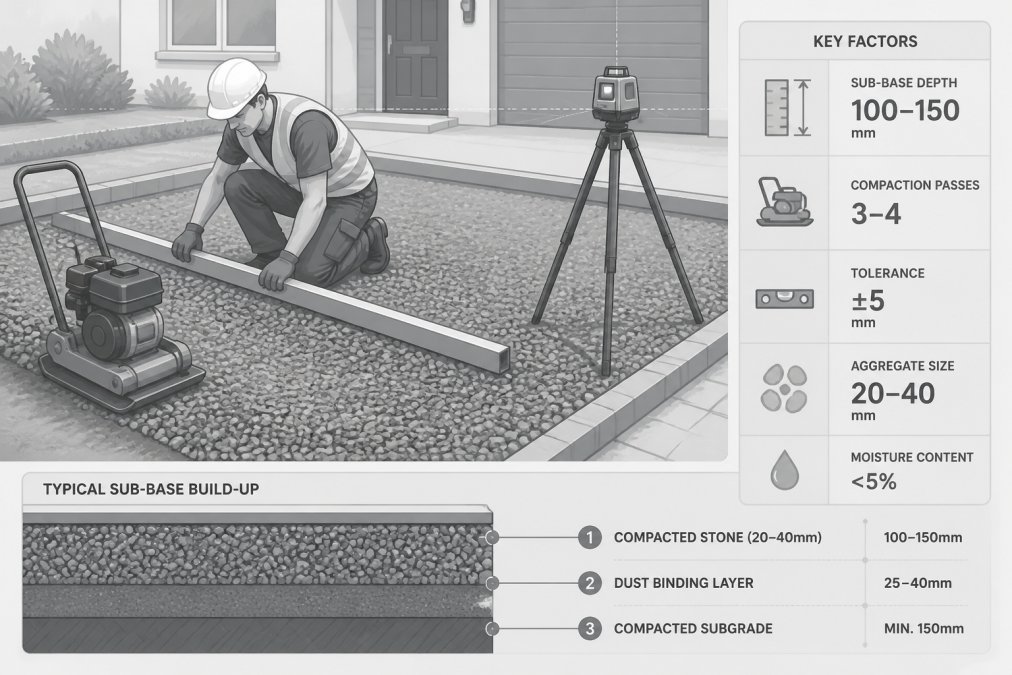
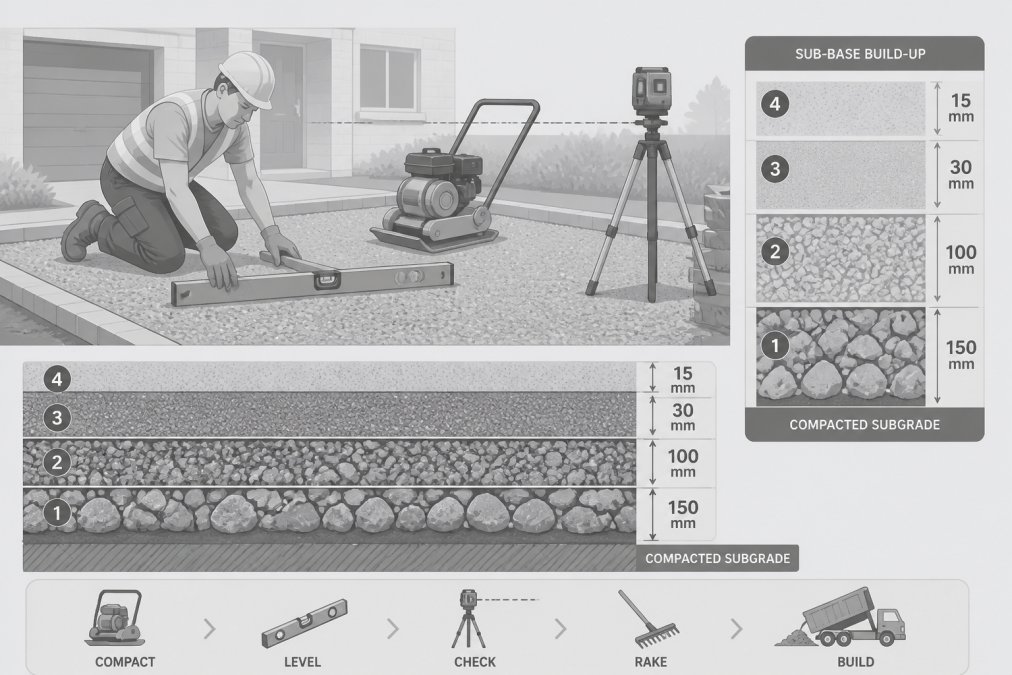
Durability depends on installation quality. A sub-base that’s poorly compacted, inadequately drained, or too thin will fail faster. Cracking and sinking are usually sub-base problems, not resin failures. Choosing an experienced installer, such as a Brett Approved Premier Installer, matters more than the material itself.
Most resin driveways installed to British Standards specifications last 15-20 years with routine maintenance. Failure typically occurs when the sub-base wasn’t properly prepared or when drainage was compromised.
The biggest mistake homeowners make is underestimating sub-base importance. A cheap installation with inadequate groundwork will crack within 5-7 years. A properly prepared foundation with adequate depth of compacted stone prevents expensive repairs later.
SuDS Compliant Driveway Requirements and Environmental Benefits
SuDS stands for Sustainable Drainage Systems, drainage solutions designed to manage rainwater runoff sustainably, reducing flooding risk and improving water quality. Resin bound driveways are inherently SuDS compliant, increasingly important in Norfolk where drainage regulations are tightening.
Traditional impermeable surfaces shed rainwater directly into storm drains, overwhelming local infrastructure during heavy rain. Permeable surfaces like resin bound allow water to drain through the material into the sub-base, where it filters gradually into the ground.
For homeowners, this compliance matters because new Building Regulations increasingly require SuDS-compliant surfaces for new driveways. Retrofitting a non-compliant driveway can trigger costly upgrades. Properties with permeable driveways experience less standing water and reduce neighbourhood flooding risk. Filtered runoff is cleaner than direct discharge, with sediments and pollutants trapped in the sub-base. As rainfall becomes more intense, SuDS compliance protects property value and avoids future regulatory penalties.
A resin bound driveway solves a regulatory and environmental problem simultaneously.
Environment Agency guidance on sustainable drainage in residential properties provides detailed requirements for SuDS systems in England.
Resin vs Block Paving: Cost, Durability and Aesthetic Comparison
Block paving remains the most popular driveway choice in Norfolk, largely due to lower upfront costs. Comparing it directly to resin bound reveals where each option wins.
| Factor | Resin Bound | Block Paving |
|---|---|---|
| Initial cost per square metre | Higher | Lower |
| Lifespan (years) | 15-20 | 10-15 |
| Maintenance frequency | Low (sweep, rinse, reseal) | Moderate (sweep, weed removal, re-sand) |
| Repair difficulty | Visible patches if damaged | Individual blocks can be replaced |
| Aesthetic options | Limited colour/finish choices | Extensive pattern and colour variety |
| Permeability | Fully permeable | Permeable if joints are open |
| UV fade resistance | Good | Variable |
| Slip resistance | Moderate | Better grip in wet conditions |
Block paving excels at flexibility. You can replace individual blocks and choose from hundreds of colours and textures. Resin bound offers uniformity, seamlessness, and lower maintenance once installed.
For smaller driveways, the cost difference is meaningful. For larger driveways, total cost-of-ownership often favours resin bound because maintenance savings accumulate. Durability favours resin bound. Block paving joints degrade, weeds grow between blocks, and individual blocks can shift or crack. Resin bound surfaces remain uniform longer, assuming proper sub-base preparation.
Block paving requires annual or biennial re-sanding of joints to maintain stability and prevent weed growth. This ongoing maintenance cost is often overlooked when calculating total cost-of-ownership. Resin bound avoids this entirely.
Factors Affecting Resin Driveway Cost and Installation Quality
The price quoted for a resin driveway depends on several variables. Sub-base condition, site access, surface size, aggregate choice, finish specification, drainage requirements, and installation timeline all affect cost. For homeowners in Norfolk, choosing an installer with proven experience is most important. A Brett Approved Premier Installer ensures the sub-base is properly prepared and resin applied correctly. Cutting costs on installation is the fastest way to ensure a resin driveway is not worth the cost, because it will fail prematurely.
Brett Paving specification standards for resin bound installations outlines technical requirements that separate quality installations from poor ones.
The sub-base is where most installations fail. Proper sub-base construction with compacted stone, correct depth, and adequate drainage is non-negotiable for durability.
Long-Term Repair and Patch-Work Feasibility
What happens when your resin driveway gets damaged? Resin bound repairs are possible but imperfect. Small cracks can be sealed with matching resin. Larger damage requires patching, and the patch is usually visible even when colour-matched.
Block paving allows individual block replacement, making damage invisible once repaired. This matters for long-term value. For households with young children or high-traffic use, this aesthetic consideration might outweigh resin’s other advantages.
Environmental Impact and Resale Value
Resin driveways are increasingly valued for environmental compliance. As local authorities tighten SuDS regulations, having a permeable surface becomes a selling point.
For resale value, the impact is mixed. A well-maintained resin driveway enhances curb appeal and signals quality investment. However, some buyers prefer traditional block paving. In Norfolk’s property market, modern finishes appeal to younger buyers and new-build properties, whilst traditional block paving appeals to period properties. Matching driveway choice to property character maximises resale appeal.
Environmentally, resin bound is superior. It reduces runoff pollution, supports SuDS compliance, and avoids the environmental cost of extracting and transporting millions of individual blocks.
Whether a resin driveway is worth the cost depends on your priorities. If you value durability, low maintenance, environmental compliance, and modern aesthetics, resin bound delivers clear value. If you prioritise flexibility, repair invisibility, and lower upfront cost, block paving remains competitive.
For homeowners in Norfolk seeking expert guidance, KT Lake Paving and Landscaping offers free consultations and no-deposit estimates. With over 30 years of industry experience and Brett Approved Premier Installer status, the team can assess your specific situation and recommend the best solution for your property.
Frequently Asked Questions
What are the main disadvantages of resin driveways?
The primary drawbacks include surface cracking if the sub-base isn't properly prepared, potential UV fade over time without fade-resistant resin, and the need for professional installation to ensure durability. Resin driveways also require periodic resealing and can be damaged by heavy machinery or sharp objects. Initial installation costs are higher than some alternatives, though long-term maintenance often balances this. Poor workmanship during installation can lead to premature failure, making contractor quality essential.
How does the cost of a resin driveway compare to block paving?
Resin bound driveways typically cost more upfront per square metre than block paving. However, the long-term value often favours resin because it requires less maintenance, resists weeds naturally, and maintains its appearance longer. Block paving involves ongoing weed suppression, joint maintenance, and potential re-sanding. When calculating total ownership cost over 10-15 years, resin driveways frequently prove more cost-effective despite higher initial installation costs.
What is the expected lifespan of a resin bound driveway?
A properly installed resin bound driveway typically lasts 15-20 years with appropriate maintenance. UV-resistant polyurethane resin formulations extend durability in sun-exposed areas. The actual lifespan depends heavily on sub-base quality, installation workmanship, climate exposure, and maintenance frequency. Professional installation with proper groundwork preparation is critical; poor sub-base work can reduce lifespan to 5-10 years. Regular cleaning and resealing extends the project lifespan significantly.
Can you jet wash a resin driveway without damaging it?
Yes, but with caution. Use low-pressure jet washing (below 100 bar) to avoid damaging the surface finish. High-pressure washing can strip the protective sealant and create surface cracking. Gentle cleaning with a soft-bristled brush and mild detergent is preferable for routine maintenance. Avoid jet washing within the first 48 hours of installation when the resin is still curing. If jet washing is necessary, hire professionals familiar with resin driveway care to prevent costly damage.
Do resin driveways require planning permission under SuDS regulations?
Most residential resin bound driveways don't require planning permission, but SuDS (Sustainable Drainage Systems) compliance is increasingly important. Permeable resin bound surfaces qualify as compliant because they allow water drainage, reducing flood risk and surface water runoff. If your property is in a flood-risk area or your local authority has specific drainage requirements, check before installation. Professional installers familiar with SuDS compliant driveway requirements can ensure your project meets current regulations.
What happens to a resin bound driveway after 5 years?
After 5 years, a well-maintained resin bound driveway should show minimal wear if installed correctly. The surface may experience slight UV fade, though fade-resistant formulations minimise this. The sealant layer typically requires reapplication around this point to maintain water resistance and aesthetic appeal. If the sub-base was poorly prepared, surface cracking or minor settling might appear by year 5. Regular maintenance and professional resealing keep the driveway functioning well through its mid-life years.
How does weather affect the longevity of a resin driveway?
Temperature fluctuations, moisture, and UV exposure all impact resin driveway durability. Freeze-thaw cycles can stress the surface if water penetrates the sub-base, whilst prolonged sun exposure fades non-UV-resistant resin. Heavy rainfall tests the drainage system; poor porosity or blocked drainage channels cause water pooling and potential structural failure. Coastal properties face additional challenges from salt spray and wind. Choosing UV-resistant polyurethane resin and ensuring proper sub-base drainage are essential for weatherproofing in challenging climates.
Can a resin driveway be repaired if it cracks or sinks?
Yes, resin driveways can be repaired, but feasibility depends on damage extent. Minor surface cracks can be sealed or patched with matching resin. If sinking occurs due to sub-base failure, the affected area may require excavation and re-laying, which is costly and time-consuming. Spot repairs are generally straightforward and affordable, but widespread cracking or major subsidence may require partial or full replacement. Professional assessment is essential to determine whether repair or replacement is more cost-effective long-term.


