

Table of Contents
- How Permeable Paving Works for Drainage
- Key Benefits of Permeable Paving for Your Property
- Resin Bound Driveway Drainage and Sub-Base Requirements
- Frequently Asked Questions
Last Updated: October 11, 2026
How Permeable Paving Works for Drainage
Permeable paving lets water drain through it into the ground rather than running off into drainage systems. It uses porous materials such as resin bound surfaces, permeable asphalt or specialist block paving, with tiny gaps that let rainfall filter downwards naturally.
Rain passes through the porous top layer into a prepared sub-base of gravel or recycled aggregate, which stores water temporarily and lets it permeate slowly into the soil. The benefits of permeable paving for drainage become clear when you consider traditional solid surfaces: rainwater pools on top, creating puddles and requiring separate drainage infrastructure.
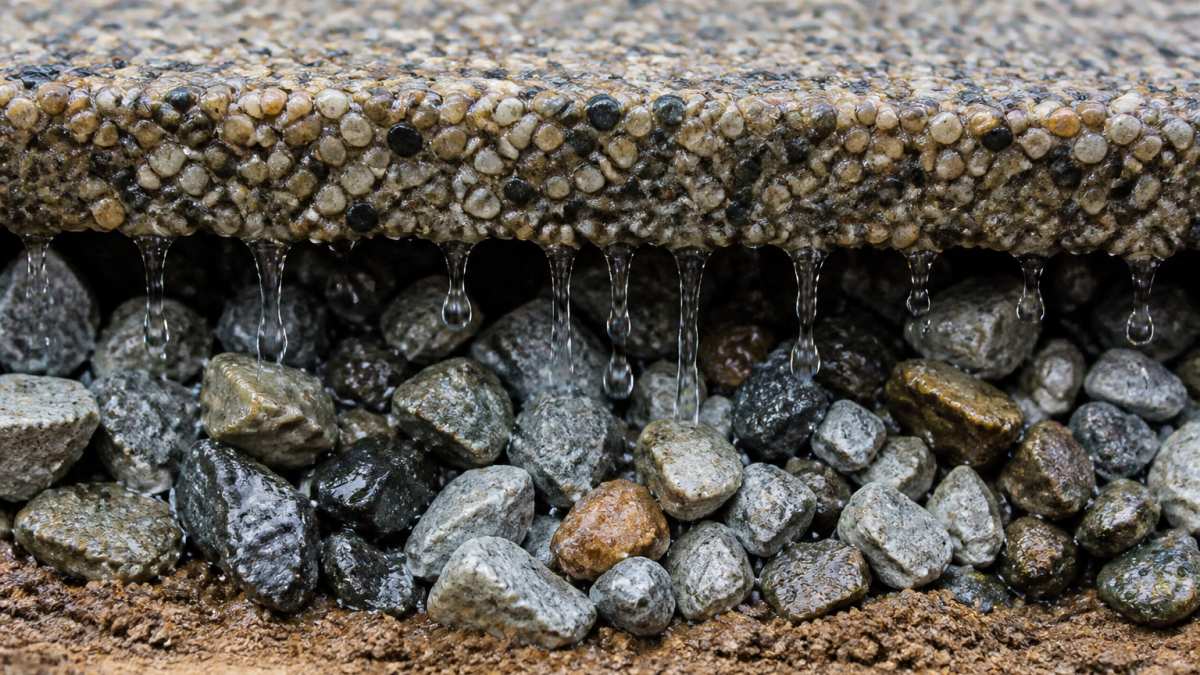
Permeable paving relies on a strong foundation: the sub-base must be compacted correctly and deep enough to handle your property’s water volume. Professional installation matters, as an inadequate base can lead to pooling or surface deterioration.
Key Benefits of Permeable Paving for Your Property
The benefits of permeable paving for drainage extend beyond simple water management. By letting water soak into the ground rather than pooling, it reduces standing water during heavy rainfall, particularly in areas prone to waterlogging (Permeable paving).
Environmentally, permeable paving restores natural infiltration, reducing strain on municipal drainage and supporting groundwater recharge. The benefits of permeable paving for drainage also include improved water quality, as soil filters out contaminants before water reaches the water table (Permeable Asphalt Pavements (PAP)).
Resin bound driveways come in a range of colours and finishes, enhancing a property’s appearance whilst gaining functional drainage advantages. Properly installed surfaces also need less frequent cleaning, and the permeable structure reduces algae growth common on solid surfaces.
Permeable paving combines practical drainage performance with visual appeal and environmental responsibility, making it a smart choice for properties in areas where water management matters.
Resin Bound Driveway Drainage and Sub-Base Requirements
Resin bound driveways are increasingly popular in Norfolk for combining the benefits of permeable paving for drainage with a professional finish, but those benefits depend entirely on correct sub-base installation.
The sub-base typically requires 100-150mm of compacted Type 1 aggregate, professionally compacted to prevent settlement and ensure even water flow. Beneath it sits a permeable membrane that drains water whilst preventing soil migration upwards. Without proper compaction and membrane installation, the benefits of permeable paving for drainage are lost.
| Element | Purpose | Critical Factor |
|---|---|---|
| Resin bound surface | Aesthetic finish + water permeability | Proper resin-to-aggregate ratio |
| Permeable membrane | Prevents soil contamination | Must be correctly positioned |
| Type 1 aggregate base | Drainage storage + support | Correct compaction depth |
| Ground preparation | Ensures stability | Level, free from debris |
Professional installation ensures the sub-base meets British Standards. KT Lake Paving and Landscaping, a Brett Approved Premier Installer, verifies every resin bound driveway includes proper drainage design and sub-base preparation, backed by a 10-year product guarantee and workmanship meeting or exceeding approved British Standards.
A poorly prepared sub-base is the most common cause of premeable paving failure. Inadequate compaction or insufficient depth can lead to water pooling, surface cracking, or structural movement within months. Always ensure your installer provides detailed specifications and verification of base preparation.
The benefits of permeable paving for drainage are only realised when surface, membrane, and sub-base work together. Cutting corners on sub-base preparation typically results in expensive repairs later, so professional guidance on resin bound driveway drainage requirements ensures your investment performs for years to come.
Effective drainage protects your property from water damage whilst supporting environmental sustainability. Whether considering a new driveway or garden patio in Norfolk, understanding how permeable paving works and ensuring proper sub-base installation are essential. KT Lake Paving and Landscaping offers free, no-obligation consultations to assess your drainage needs. With over 30 years of experience and Brett Approved Premier Installer status, the team ensures your project meets rigorous British Standards and delivers lasting performance.
Frequently Asked Questions
How does permeable paving help with drainage?
Permeable paving allows water to drain through the surface rather than pooling or running off. The porous material and engineered sub-base work together to direct rainfall into the ground, reducing puddles and surface flooding on driveways and patios. This is particularly beneficial in areas prone to heavy rainfall, as it prevents water accumulation that can damage the surface or create safety hazards.
What’s the difference between permeable paving and a standard driveway?
Standard driveways are impermeable, meaning water sits on top and runs off into drainage systems or floods the surface. Permeable paving absorbs water directly through its surface, reducing runoff by up to 100% depending on rainfall intensity. This makes permeable paving better for drainage, reduces strain on local water systems, and helps prevent puddles forming after rain.
Does permeable paving require a special sub-base?
Yes, a properly engineered sub-base is essential for permeable paving to function effectively. The base layers must be permeable themselves, typically consisting of stone and gravel that allow water to drain downwards. Without a correctly installed sub-base, water cannot drain properly and the surface may fail. This is why professional installation by experienced contractors is crucial to ensure long-term performance and drainage benefits.


