

Table of Contents
- Resin vs Block Paving: Key Differences
- Durability and Longevity Comparison
- Block Paving Maintenance Tips for Norfolk Driveways
- Resin Bound Driveways Norfolk: Appearance, Drainage and Regulations
Last Updated: August 19, 2026
Resin vs Block Paving: Key Differences
Choosing between resin and block paving is one of the most important decisions homeowners in Norfolk face when installing a new driveway. Resin bound paving creates a seamless, permeable surface by binding decorative aggregates with polyurethane resin, whilst block paving arranges individual concrete or stone units in patterns. The difference determines everything: how water drains, maintenance requirements, long-term appearance, and overall value.
At KT Lake Paving and Landscaping, we’ve installed both systems across Norfolk properties for over 30 years. The "best" option depends entirely on your priorities, your property’s existing drainage, and how much upkeep you’re willing to manage.
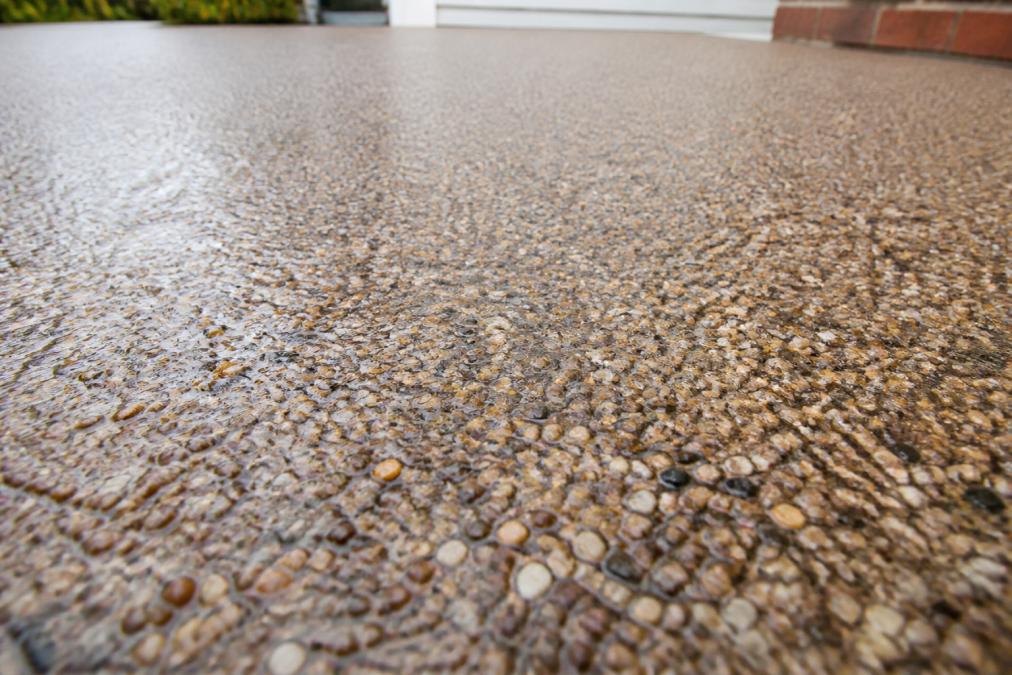
Resin bound paving is a continuous, monolithic surface where polyurethane resin binds decorative stone aggregates into a single hard-wearing layer. Water permeates straight through into a permeable sub-base, eliminating puddles and complying with Sustainable Urban Drainage Systems (SuDS) regulations that many local authorities now require.
Block paving consists of individual precast concrete or natural stone units laid in patterns over a sand bed. Water runs between the joints, filled with polymeric sand or mortar. Individual blocks can be replaced if damaged, but the entire system depends on proper installation and ongoing maintenance to prevent movement and weed growth.
Durability and Longevity Comparison
Resin bound surfaces typically last 15-20 years before showing significant wear, provided the sub-base remains stable. Cracks almost always trace back to a failing sub-base, not the resin layer itself. Professional installers prioritise sub-base preparation because it’s the foundation of everything.
Block paving, when professionally installed and properly maintained, often exceeds 20 years and can last 25-30 years or longer. Individual blocks resist impact, UV exposure, and thermal stress remarkably well. The real durability challenge isn’t the blocks themselves, but keeping the system intact. Blocks settle and shift over time, weeds invade joints, and polymeric sand degrades.
British Standards for permeable pavements outline specific requirements for both systems. Resin bound surfaces must meet BS 7533-12 for permeable pavements, whilst block paving is governed by BS 7533-4, which specifies laying practices, joint materials, and maintenance protocols.
The durability comparison reveals a nuance: resin bound surfaces are more forgiving of minor sub-base issues because the monolithic layer distributes loads evenly. Block paving is more durable in absolute terms, but that durability depends entirely on meticulous installation and consistent maintenance.
Block Paving Maintenance Tips for Norfolk Driveways
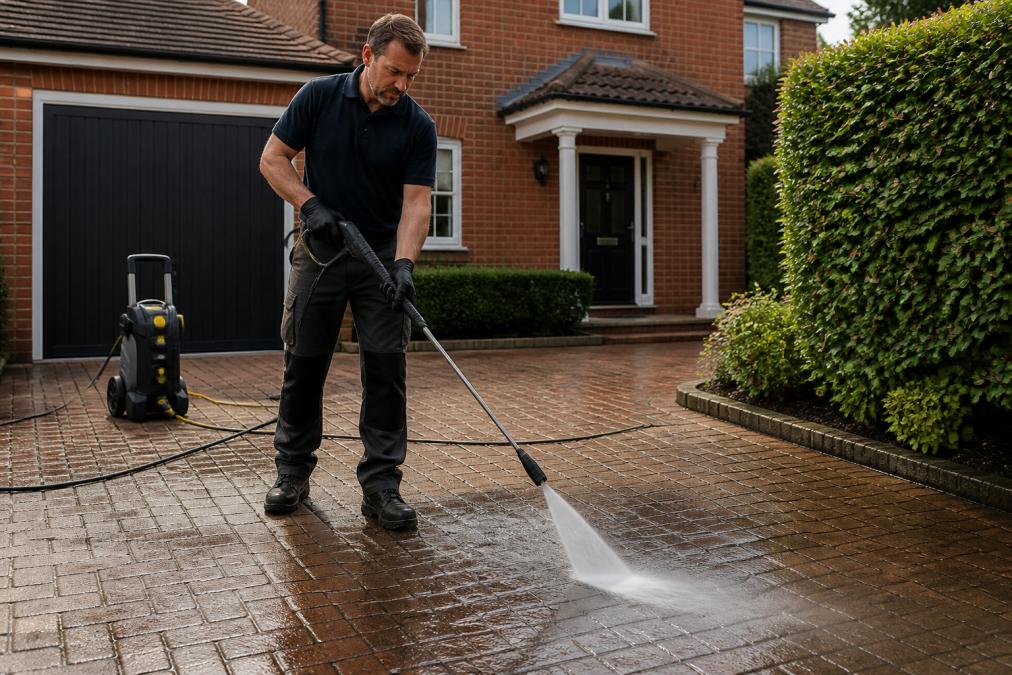
Block paving demands active maintenance. Weeds emerge through the sand joints within months of installation, and algae accumulates in shaded areas.
Regular weeding is non-negotiable. Hand-pulling weeds every 4-6 weeks during the growing season keeps the problem manageable, or use targeted herbicide on joint areas.
Power washing should happen annually in spring, removing algae, moss, and dirt. Use 100-150 bar pressure maximum to avoid dislodging sand from joints.
Re-sanding becomes necessary every 3-5 years. Polymeric sand hardens when wet and locks blocks in place. As it degrades, blocks shift slightly. Re-sanding restabilises the surface and prevents movement that leads to uneven sections.
Settling and movement is the most common long-term issue. A professional assessment every 5 years can catch settling early, before it becomes visually obvious.
Many block paving systems carry guarantees, but these typically require that you follow specific maintenance protocols.
Resin Bound Driveways Norfolk: Appearance, Drainage and Regulations
Resin bound surfaces offer aesthetic flexibility that block paving cannot match. Because the resin binds custom aggregates, you can choose from hundreds of colour combinations. The surface is smooth and seamless, which many homeowners find more contemporary than the jointed appearance of blocks.
The drainage advantage is substantial. Water permeates immediately through the aggregate layer into the permeable sub-base, eliminating puddles and reducing surface water runoff. This helps manage flooding risk, a significant benefit in Norfolk, where winter rainfall can be heavy.
Sustainable Drainage Systems (SuDS) guidance from UK government now requires many new residential developments and major renovations to incorporate permeable surfaces. Resin bound paving meets SuDS requirements automatically because it’s inherently permeable.
Resin bound surfaces require minimal maintenance compared to block paving. There are no weeds, and the monolithic surface leaves nowhere for them to establish. Power washing is occasionally useful but optional rather than essential.
One legitimate concern is that resin bound surfaces can show stains more readily than block paving. Oil spills, tyre marks, and leaf tannins may be more visible on light-coloured resin. However, most stains are temporary and fade with weathering. UV exposure gradually fades colour by 10-15% over the first year, then stabilises.
| Factor | Resin Bound | Block Paving |
|---|---|---|
| Maintenance | Minimal (occasional power wash) | Regular (weeding, re-sanding, power washing) |
| Appearance | Seamless, custom colours, modern look | Jointed, traditional patterns, classic aesthetic |
| Drainage | Excellent, fully permeable | Good if properly installed with permeable base |
| Durability | 15-20 years (sub-base dependent) | 20-30+ years (maintenance dependent) |
| Staining | More visible on light colours | Less visible, easier to hide marks |
| Repairs | Entire section may need resurfacing | Individual blocks easily replaced |
| Installation Time | Faster (1-2 days) | Longer (3-7 days depending on area) |
KT Lake Paving and Landscaping specialises in both resin bound and block paving installations across Norfolk, with over 30 years of experience ensuring proper sub-base preparation and compliance with British Standards. As a Brett Approved Premier Installer, the team provides free, no-obligation estimates and backs every installation with a 10-year product guarantee. Get in touch with KT Lake for a professional consultation and discover which paving system will enhance your property’s value and meet your long-term expectations.
Frequently Asked Questions
Which is easier to maintain: resin or block paving?
Resin bound driveways require significantly less maintenance. They resist weed growth and need only occasional cleaning with a power washer. Block paving demands regular attention: weeding between joints, re-sanding, and power washing to prevent moss and algae. For busy households, resin offers a lower-maintenance solution, though both require some upkeep to preserve their appearance over time.
Are resin driveways permeable under UK planning regulations?
Yes, resin bound driveways are permeable surfaces that comply with Sustainable Urban Drainage Systems (SuDS) requirements under UK building regulations. They allow water to drain naturally through the surface to the base, reducing surface water runoff and supporting flood prevention. This makes them an environmentally responsible choice and often preferred in areas with strict drainage requirements.
How long does a block paved driveway last compared to resin?
Block paving typically lasts 20 years or more with proper installation and maintenance, with some premium products backed by 25-year guarantees. Resin bound driveways generally last 15-20 years, depending on the quality of the base and resin system used. Both can exceed their expected lifespan with professional installation and regular care, though block paving may require more maintenance to achieve its full potential.
Can you lay a resin driveway over existing block paving?
Resin can be applied over existing block paving if the base is stable and well-compacted. However, the underlying blocks must be in good condition with no significant movement or displacement. A professional assessment is essential to ensure the existing surface will support the resin layer properly. If the base is unstable, it should be repaired or replaced before resin application to prevent future cracking or sinking.
Does a resin driveway add more value to a property than block paving?
Both resin and block paving enhance curb appeal and property value, but the impact depends on your local market and property type. Resin driveways offer a contemporary, premium appearance that appeals to modern buyers, whilst block paving provides versatile design options suited to traditional and contemporary homes. The key is professional installation and maintenance, either surface, when well-executed, improves aesthetic appeal and perceived property value.


