

Table of Contents
- Hot Tar and Resin Driveways at a Glance
- Tar and Chip Driveway Pros and Cons
- How Long Does a Resin Driveway Last
- Permeable Driveway Regulations and Drainage
Last Updated: August 20, 2026
Hot Tar and Resin Driveways at a Glance
Hot tar and chip driveways offer a traditional, rustic appearance with excellent grip, whilst resin bound driveways provide a sleek, seamless finish with superior permeability. Hot tar combines heated liquid asphalt with stone chips to create a textured surface, whilst resin driveways use a UV-stable resin binder mixed with decorative aggregates. The choice depends on whether you prioritise traditional aesthetics or modern, low-maintenance performance.
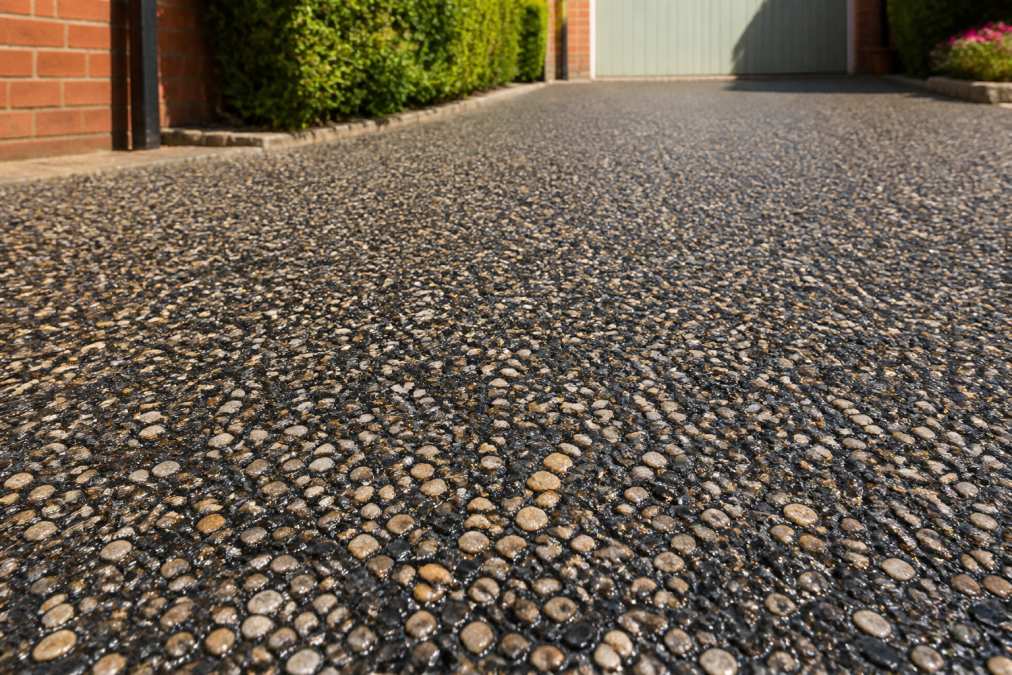
Understanding these differences helps homeowners make informed decisions. KT Lake Paving and Landscaping has guided hundreds of Norfolk property owners through this choice, with decisions typically hinging on three factors: initial appearance preference, expected lifespan, and maintenance tolerance.
| Feature | Hot Tar and Chip | Resin Bound |
|---|---|---|
| Surface Finish | Textured, rustic | Smooth, seamless |
| Grip and Traction | Excellent, anti-slip | Good, non-slip |
| Permeability | Limited drainage | Fully permeable (SuDS compliant) |
| Colour Options | Limited stone varieties | Wide aggregate range |
| Maintenance | Regular rolling/topping | Sweeping and occasional power washing |
| Installation Speed | Moderate | Depends on base condition |
| Weather Resistance | Good in most climates | Excellent, UV-stable |
Tar and Chip Driveway Pros and Cons
Hot tar and chip surfaces excel for rural properties or those seeking traditional aesthetics. Stone chips embedded in hot asphalt create a naturally textured surface that resists skidding in wet or icy Norfolk winters, making it popular for sloped driveways.
Advantages of tar and chip driveways:
Minor cracks can reseal naturally when the surface warms in sunlight, extending lifespan without intervention. Installation can often proceed over existing concrete or tarmac, reducing groundwork costs. The textured surface sheds water effectively and withstands freeze-thaw cycles reasonably well.
Disadvantages of tar and chip driveways:
Loose stones can migrate in the first weeks after installation, requiring occasional raking. The rustic appearance limits design flexibility compared to resin alternatives, with colour options confined to natural stone varieties. Over time, the tar binder can soften in extreme heat, and the surface lacks the polished look modern properties demand. Additionally, the non-permeable nature means water drainage relies on slope rather than the surface itself, which can create puddles on flatter driveways.
How Long Does a Resin Driveway Last
Resin driveways typically last 15-20 years or longer when properly installed and maintained, significantly outlasting tar and chip surfaces. This extended lifespan stems from the UV-stable resin binder, which resists degradation from sunlight and weather exposure.
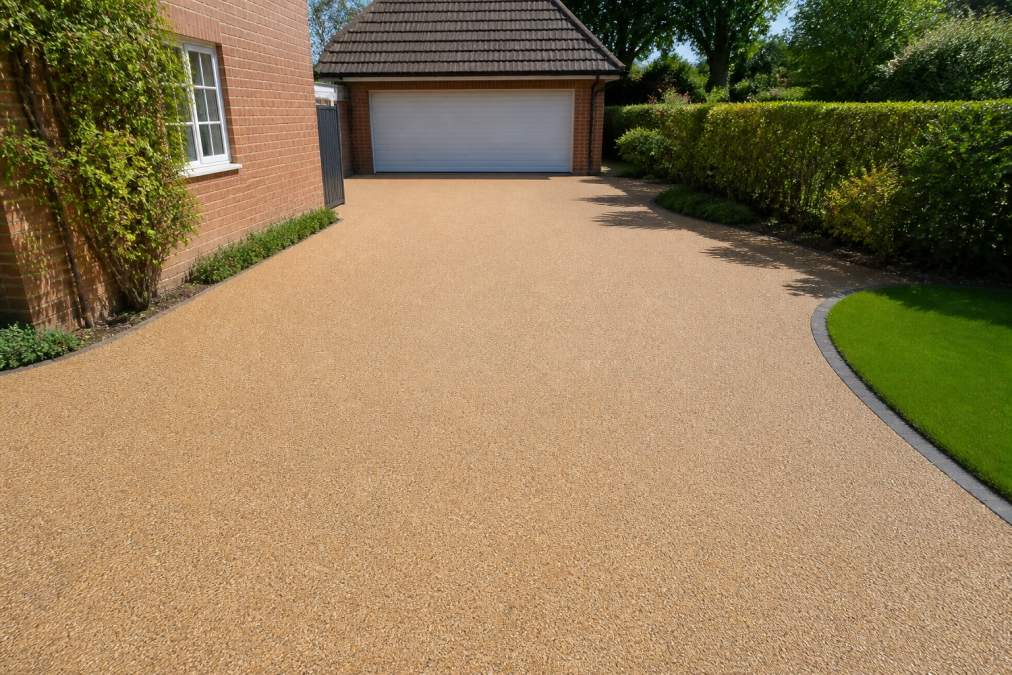
Longevity depends heavily on sub-base quality. A poorly prepared foundation will compromise even the best resin installation. KT Lake Paving and Landscaping conducts detailed sub-base inspections to ensure stability before installation proceeds.
The permeable nature of resin surfaces contributes to durability. Water drains through the resin rather than pooling on the surface, reducing freeze-thaw stress. In Norfolk’s climate, where moisture and temperature fluctuations are common, this drainage advantage proves significant. Regular sweeping and occasional power washing maintain appearance and preserve the resin binder.
The 10-year guarantee offered by Brett-approved installers like KT Lake Paving and Landscaping provides peace of mind, but the actual lifespan often extends well beyond this period if maintenance standards are met.
Permeable Driveway Regulations and Drainage
Permeable driveways have become increasingly important under UK water management regulations. The Sustainable Drainage Systems (SuDS) guidance encourages property owners to manage surface water runoff responsibly, and resin driveways naturally comply with these principles.
Resin bound surfaces allow water to permeate through to the sub-base, reducing strain on local drainage infrastructure. This is particularly relevant in Norfolk, where some areas experience seasonal flooding. Local planning authorities increasingly favour permeable solutions, and new builds often face requirements to incorporate SuDS-compliant surfaces.
Hot tar and chip driveways are largely impermeable. Water runs off rather than soaking through, which can increase localised flooding risk and may conflict with planning requirements for new installations.
UK government guidance on sustainable drainage systems outlines expectations for new developments and major renovations. British Standards for permeable surfaces (such as BS 7533-12 for resin-bound materials) set out installation and performance criteria. KT Lake Paving and Landscaping ensures all resin installations meet or exceed these standards, backed by the 10-year Brett product guarantee.
Installing a permeable driveway without proper sub-base preparation can lead to standing water and premature failure. Poor drainage design defeats the environmental and functional benefits entirely.
For homeowners in Norfolk concerned about drainage compliance, resin bound driveways offer a straightforward solution that satisfies regulatory expectations whilst delivering superior aesthetics and longevity.
Choosing between hot tar and resin driveways requires balancing budget, aesthetics, durability, and environmental considerations. For most Norfolk homeowners seeking a modern, long-lasting surface with excellent drainage and minimal maintenance, resin bound driveways deliver superior value. KT Lake Paving and Landscaping offers free, no-obligation consultations to assess your specific needs and provide a tailored recommendation. As a Brett Approved Premier Installer with over 30 years’ experience, the team ensures every installation meets rigorous British Standards and comes backed by a 10-year product guarantee. Contact KT Lake Paving and Landscaping for a professional assessment and discover how a quality resin driveway can enhance your property’s curb appeal and functionality for decades to come.
Frequently Asked Questions
Is a resin driveway more durable than hot tar and chip?
Both surfaces are durable, but differently. Resin driveways typically last 15-20 years with minimal cracking when properly installed, whilst hot tar and chip driveways last 7-10 years and may require periodic re-chipping. Resin offers superior resistance to oil spills, UV fading, and weed growth. Hot tar is more forgiving of minor movement in the base but requires more frequent maintenance.
Which driveway material offers better drainage for properties?
Resin bound driveways are permeable and meet SuDS (Sustainable Drainage Systems) regulations, allowing water to drain naturally through the surface. Hot tar and chip is semi-permeable but less effective at drainage. If your property is in an area with strict drainage requirements or flooding concerns, resin is the better choice for compliance and environmental performance.
How long does a resin driveway last compared to hot tar?
A properly installed resin driveway lasts 15-20 years, whilst hot tar and chip typically lasts 7-10 years. Resin's longevity depends on correct sub-base preparation and professional installation. Hot tar requires periodic re-chipping every 2-3 years to maintain appearance and performance. Climate, usage, and maintenance all affect lifespan for both surfaces.
Can you lay resin over an existing hot tar driveway?
Yes, resin can often be applied over existing hot tar if the base is stable and well-compacted. However, the existing surface must be thoroughly cleaned and any loose material removed. A professional assessment is essential to confirm the base is suitable. If the hot tar has significant cracks or movement, groundwork may be needed first.
What maintenance does each driveway type require?
Resin driveways need minimal maintenance: regular sweeping and occasional power washing to remove dirt and algae. Hot tar and chip requires more attention, including periodic re-chipping to fill worn areas, regular brushing to maintain the stone finish, and occasional resealing. Resin is more low-maintenance overall, making it ideal for busy households with young children or pets.


