

Table of Contents
- The Main Disadvantages of Resin Driveways
- Common Resin Driveway Problems and Prevention
- Resin Bound Driveway Maintenance Tips and Durability
- Frequently Asked Questions
Last Updated: September 27, 2026
The Main Disadvantages of Resin Driveways
Resin driveways have become increasingly popular across Norfolk and the UK, but it’s important to consider the potential disadvantages of resin driveways, including maintenance demands and long-term durability concerns.
The primary issue lies in sub-base preparation; a poorly constructed foundation leads to cracking, sinking, and structural failure within months, requiring costly repairs or complete replacement, often discovered only after installation.
UV exposure can cause colour fading over time, as polymer binders may break down and leave a dull, weathered appearance (Checking your browser).
Weed and moss growth can occur in shaded or wet areas, as the porous surface may trap moisture, potentially requiring regular cleaning.
The British Standards Institution guidance on permeable pavements outlines specific requirements for resin installation, yet many installers fail to meet these standards, resulting in poor drainage and accelerated deterioration.
Common Resin Driveway Problems and Prevention
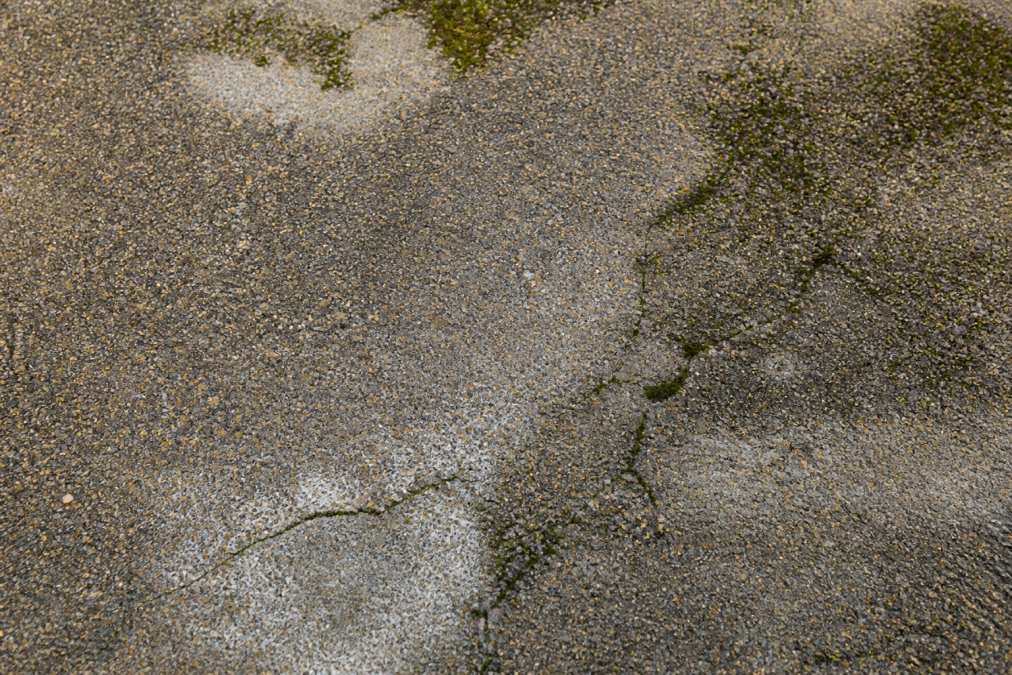
The most common resin driveway problems stem from inadequate sub-base installation and poor drainage design, causing stress fractures within the first year that expand with freeze-thaw cycles.
Drainage failure is a critical disadvantage of resin driveways; standing water beneath the surface accelerates degradation and creates soft spots where the surface sinks under vehicle weight.
Staining is persistent and difficult to reverse, typically requiring specialist treatment or resurfacing, which adds to the cost of ownership.
Prevention requires selecting an installer with genuine expertise; a Brett Approved Premier Installer like KT Lake Paving and Landscaping ensures the sub-base meets rigorous British Standards, reducing the risk of premature failure, though it doesn’t eliminate all disadvantages of resin driveways entirely.
Resin Bound Driveway Maintenance Tips and Durability
Regular cleaning with a soft brush and mild detergent helps prevent moss and algae growth, ideally quarterly or more frequently in shaded or damp areas.
Pressure washing is necessary but risky; low-pressure cleaning with appropriate nozzles is essential, as incorrect technique causes additional damage.
A well-installed resin driveway typically lasts 15-20 years before requiring resurfacing, though UV fading can become noticeable over time.
Professional guidance helps clarify whether resin bound surfaces suit your specific property conditions, budget, and maintenance capacity. KT Lake Paving and Landscaping offers free, no-obligation estimates, allowing homeowners to make informed decisions about whether the disadvantages of resin driveways align with their expectations.
Understanding the disadvantages of resin driveways before committing helps property owners choose the right solution. KT Lake Paving and Landscaping provides expert guidance backed by 30 years of industry experience and a 10-year product guarantee from Brett. Contact the team for a free estimate and honest advice on whether resin bound installation suits your property.
Frequently Asked Questions
Do resin driveways crack easily?
Resin driveways can crack if the sub-base isn’t properly prepared or compacted. Poor drainage, ground movement, and thermal stress from temperature fluctuations increase cracking risk. Professional installation with a solid foundation significantly reduces this risk. Using UV-stable resin and ensuring proper curing also helps prevent surface cracks from forming over time.
How long does a resin driveway last in the UK climate?
A well-installed resin driveway typically lasts 15-20 years in UK conditions, though lifespan depends on maintenance and sub-base quality. Regular cleaning prevents moss and weed growth, which can degrade the surface. Professional installation with proper drainage is essential for maximum longevity.
Do resin driveways require a lot of maintenance?
Yes, resin driveways need regular maintenance to perform well. Sweep debris regularly, clean moss and algae with mild detergent, and avoid harsh jet washing, which can damage the surface. Weeds can grow through permeable resin if not managed. Without consistent upkeep, stains, weed growth, and surface deterioration can become visible problems.


