

Table of Contents
- Why Asphalt Driveway Maintenance Matters
- Creating an Asphalt Driveway Maintenance Schedule
- Asphalt Driveway Sealing and Crack Repair
- Frequently Asked Questions
Last Updated: October 6, 2026
Why Asphalt Driveway Maintenance Matters
Asphalt driveways are a popular choice across Norfolk and beyond. They look smart and last for years when cared for properly. But many homeowners treat their driveways like concrete, set and forget. That’s a costly mistake.
The truth is straightforward. Asphalt needs regular attention. Without it, small cracks become big problems. Water seeps in. The base layer fails. Repairs become expensive and disruptive. Many driveways could last decades more with basic maintenance tips for asphalt driveway longevity applied early.
Think of maintenance as insurance. A few hours each year prevents months of disruption later.
Creating an Asphalt Driveway Maintenance Schedule
Your asphalt driveway maintenance schedule should follow the seasons. Spring and autumn are critical times.
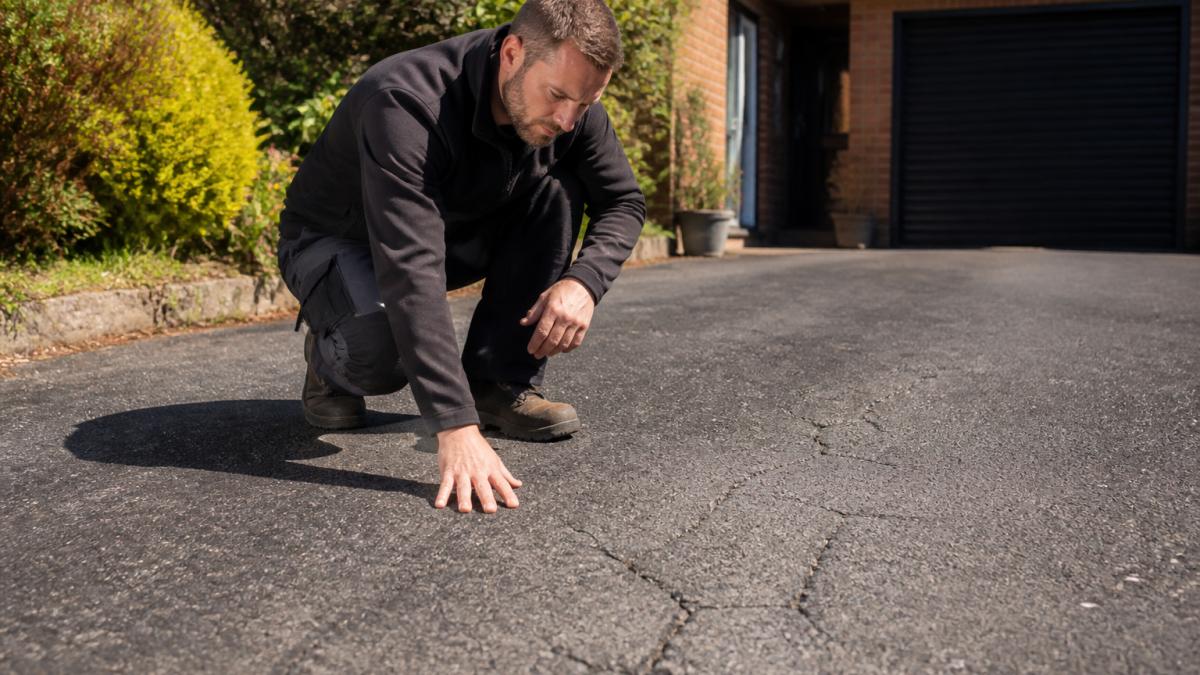
Start with a visual inspection twice yearly. Look for:
- Cracks wider than a pencil
- Soft or crumbling edges
- Standing water or drainage issues
- Fading or discolouration
Spring is the best time for repairs. Winter damage shows itself. Temperatures are mild for sealing work. Autumn is your second chance before frost arrives.
For asphalt driveway maintenance, sealing every 2-3 years protects against UV damage and moisture. Smaller repairs should happen as soon as you spot them. Don’t wait.
Asphalt Driveway Sealing and Crack Repair
Sealing is the backbone of asphalt driveway maintenance. It creates a protective barrier against water, salt, and sun damage.
Sealing your driveway:
- Clean the surface thoroughly first
- Fill any cracks before sealing
- Apply sealant in dry conditions
- Allow proper curing time before use
Crack repair is equally important. Small cracks are easy to address. Clean out debris, apply crack filler, and smooth it level. This stops water entering the base layer, where real damage happens.
For asphalt driveway sealing to work well, choose the right product. Quality matters here. Poor sealant fails quickly and wastes money. Professional application ensures even coverage and proper curing, something difficult to achieve yourself.
When cracks are deep or widespread, professional help makes sense. The team at KT Lake Paving and Landscaping can assess whether repair or resurfacing is the right choice for your property. According to the Asphalt Pavement Association guidance on maintenance standards, proper sealing extends driveway life by years and reduces overall maintenance costs significantly.
Regular maintenance tips for asphalt driveway longevity aren’t complicated. They’re just consistent. Keep water out. Seal the surface. Fix small problems before they grow. Your driveway will reward you with years of reliable service.
Frequently Asked Questions
How often should you seal an asphalt driveway?
Most asphalt driveways benefit from sealing every 2-3 years, though this depends on weather conditions and traffic. New asphalt driveway care should include a first seal after 6-12 months once the surface has fully cured. Regular asphalt driveway sealing protects against water penetration, UV damage, and oxidation, extending the surface’s life significantly. Check your driveway annually for signs of fading or water pooling to determine if sealing is needed sooner.
What’s the best way to repair cracks in an asphalt driveway?
Small cracks (under 6mm) can be filled with crack filler or sealant applied with a caulking gun. Larger cracks require professional asphalt driveway crack repair to ensure proper base preparation and material application. Address cracks promptly, water seeps into gaps and weakens the sub-base, turning small issues into expensive damage. Professional contractors use appropriate sealants and techniques to prevent water ingress and stop cracks from spreading.
Can you drive on a newly laid asphalt driveway immediately?
New asphalt driveway care requires patience. Most surfaces need 48-72 hours before light driving and up to 2 weeks before heavy use. Avoid parking in the same spot, which concentrates weight and can cause indentations or rutting. Hot weather speeds curing; cold, damp conditions slow it. Follow your installer’s specific guidance, as curing time varies by mix design and conditions. Premature heavy use risks permanent damage to the fresh surface.
A well-maintained asphalt driveway enhances your property’s appearance and value. The process doesn’t require specialist skills, but it does require attention. For homeowners in Norfolk seeking professional guidance or installation of high-quality durable surfaces, KT Lake Paving and Landscaping offers free consultations and estimates. With over 30 years of experience and a 10-year product guarantee, the team can help you choose the right maintenance approach for your property’s specific needs.


