

Table of Contents
- Causes of Resin Driveway Cracking
- How to Repair Cracks in Resin Driveways: A Step-by-Step Guide
- Choosing the Right Resin Driveway Repair Kit
- Resin Bound Driveway Maintenance Tips to Prevent Future Cracks
- Frequently Asked Questions
Last Updated: September 6, 2026
Cracks in resin driveways are often a sign of a sub-base failure or poor installation rather than a fault in the resin itself. Understanding how to repair cracks in resin driveways begins with recognising that most surface fractures trace back to movement beneath the surface, such as an inadequately compacted sub-base or water ingress. This guide from KT Lake Paving and Landscaping, a Brett Approved Premier Installer in Norfolk, explains the practical steps for restoring your driveway and preventing the issue from returning.
Causes of Resin Driveway Cracking
Cracking typically stems from one of three culprits: a poorly prepared sub-base, trapped standing water, or excessive point loading from heavy vehicles. When the aggregate base settles unevenly, the resin-bound layer loses its support and flexes beyond its limit, producing hairline fractures that widen over time. Poor drainage allows water to weaken the foundation beneath the surface, while repeated pressure from a single wheel track can create localised stress points. Identifying the root cause matters, because patching a crack without fixing the underlying movement will simply lead to a new fracture nearby.
How to Repair Cracks in Resin Driveways: A Step-by-Step Guide
Small, isolated cracks can be repaired successfully with the right preparation. The process involves cleaning, filling, and curing, and most repairs take a day to complete.
- Clean the crack thoroughly. Remove all loose debris, weeds, and dust using a stiff brush and a jet washer. Allow the area to dry completely, as moisture will prevent the repair material from bonding.
- Prime the edges. Apply a resin primer to the inside of the crack to promote adhesion between the old surface and the new filler.
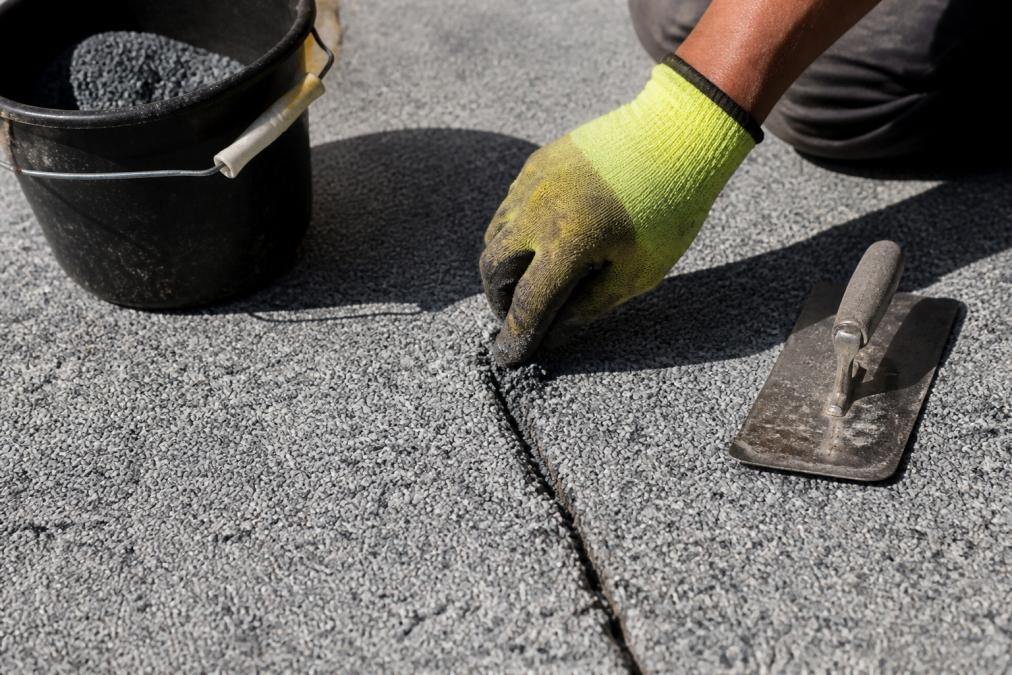
- Fill with repair resin. Use a trowel to press a compatible resin-bound repair compound firmly into the crack, overfilling slightly to allow for settlement.
- Compact and level. Trowel the surface flat, matching the surrounding texture as closely as possible. Scatter a little decorative aggregate over the top to blend the patch in.
- Allow to cure. Keep traffic off the repaired area for the manufacturer’s recommended curing time, typically 24 hours.
Choosing the Right Resin Driveway Repair Kit
Selecting the correct repair kit is essential for a durable finish. For hairline cracks, a liquid resin binder mixed with fine aggregate works well, while wider fractures demand a trowel-grade repair mortar. Kits vary in cure time, colour matching, and UV stability, so check that the product is suitable for outdoor use and matches your existing aggregate colour. UV-stable resins resist yellowing over time, which matters in the British climate where sunlight exposure varies throughout the year (peer-reviewed research). For larger areas or repeated cracking, professional assessment is advisable, as the damage may indicate structural issues that a surface patch cannot resolve.
Resin Bound Driveway Maintenance Tips to Prevent Future Cracks
A regular maintenance routine significantly reduces the likelihood of cracking. Sweep the surface weekly to prevent abrasive grit from wearing down the resin binder, and jet wash gently a couple of times a year to remove algae and moss (aggregate.com). Ensure drainage channels remain clear so water never pools at the edges of the driveway, and avoid parking heavy vehicles in the same spot repeatedly (paving.org.uk). For property owners in Norfolk, seasonal weather changes make proactive upkeep particularly important. If you notice a crack forming, addressing it early prevents water ingress from turning a minor blemish into a costly repair. For professional guidance on resin bound driveway maintenance in Norfolk, KT Lake Paving and Landscaping offers free, no-obligation advice backed by over 30 years of industry experience and a 10-year product guarantee from Brett, ensuring installations meet approved British Standards.
Cracks in resin driveways are a fixable problem, but lasting results depend on correct diagnosis and preparation. Whether you are treating a single fracture or considering a full resurfacing, working with an experienced installer in Norfolk makes the difference between a temporary patch and a long-term solution. KT Lake Paving and Landscaping combines Brett Approved materials with installations that meet rigorous British Standards, supported by a 10-year product guarantee. Get started with KT Lake Paving and Landscaping and protect your driveway investment for decades to come.
Frequently Asked Questions
Why is my resin driveway cracking?
Cracks usually appear due to issues with the sub-base, not the resin surface itself. If the sub-base wasn’t properly compacted or is too thin, it can move and sink, causing the resin to crack. Poor drainage and standing water can also weaken the structure over time. Extreme temperature changes can make small imperfections worse. Addressing the underlying cause is key to ensuring a repair lasts.
Can resin bound driveways be patched seamlessly?
A well-executed patch can be nearly invisible. For a seamless finish, the damaged area needs to be cut out cleanly, and the new resin mix must be blended carefully to match the existing aggregate. The skill of the installer is crucial here. For larger or multiple cracks, a full re-surface might be more cost-effective. A professional can advise on whether a patch will blend well with your current driveway.
Is it better to repair or replace a cracked resin driveway?
It depends on the extent of the damage. A few isolated hairline cracks can often be successfully repaired with a resin driveway repair kit. However, if the cracking is widespread, covers a large area, or is caused by a failing sub-base, a full replacement is usually the more reliable long-term solution. If you are unsure, a professional assessment can help you make the right decision.
What are the best resin bound driveway maintenance tips?
Regular maintenance is simple. Brush the surface with a soft broom to remove debris and dirt. Use a gentle detergent and water for a deeper clean, avoiding harsh chemical cleaners. If you have weeds growing through, remove them promptly. Most importantly, check the condition of the sub-base and drainage annually, especially after winter, to catch any potential problems early.


