

Table of Contents
- What Construction Companies in Suffolk Offer
- Questions to Ask a Builder Before Hiring
- What to Include in a Construction Contract
- How Long Does a Home Extension Take
Last Updated: August 13, 2026
What Construction Companies in Suffolk Offer
Construction companies in Suffolk deliver a broad spectrum of services, from residential extensions and renovations to commercial development projects. Most firms handle multiple service categories simultaneously: residential new-builds, home extensions, property refurbishment, commercial development, and general building maintenance. A competent firm can oversee groundworks, coordinate subcontractors, manage health and safety compliance, and deliver quality assurance throughout, reducing coordination headaches and creating a single point of accountability.
Beyond traditional building work, many construction companies in Suffolk now offer specialist services like bespoke furniture installation, architectural planning consultation, and sustainable building practices. Modern clients demand both quality and environmental responsibility. Eco-friendly materials, energy-efficient design, and waste reduction aren’t optional extras anymore, they’re baseline expectations.
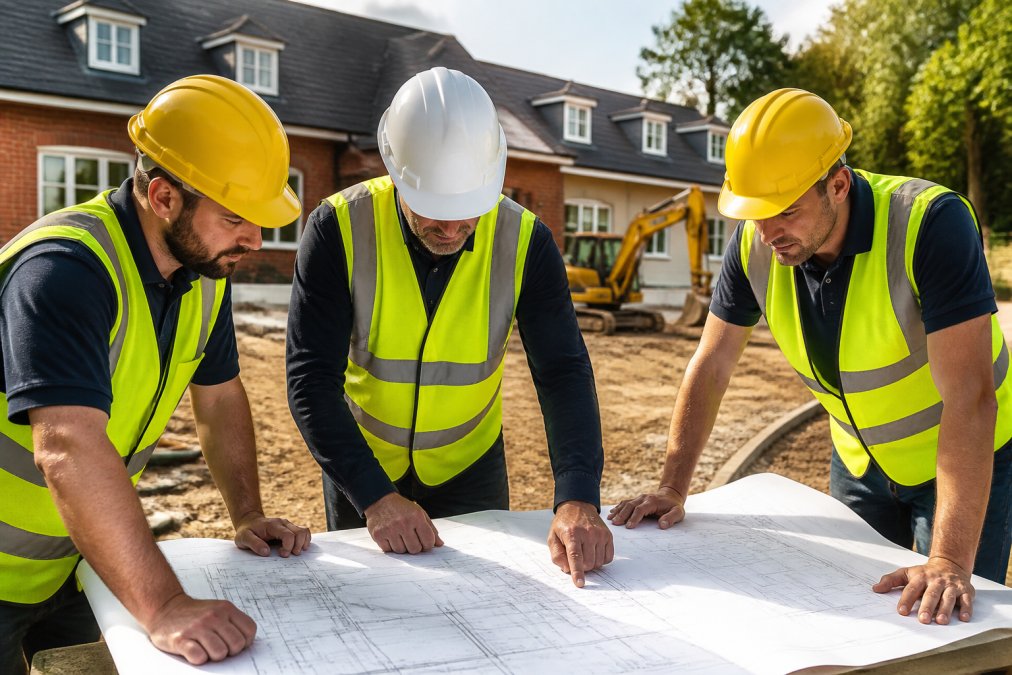
When evaluating a construction company, ask specifically what services they handle in-house versus what they subcontract. In-house teams typically deliver faster turnarounds and better quality control.
Questions to Ask a Builder Before Hiring
Asking the right questions separates informed clients from those who discover problems mid-project. Start by asking how long the builder has been operating and what types of projects they’ve completed recently. Request references from clients with similar projects in scale and complexity.
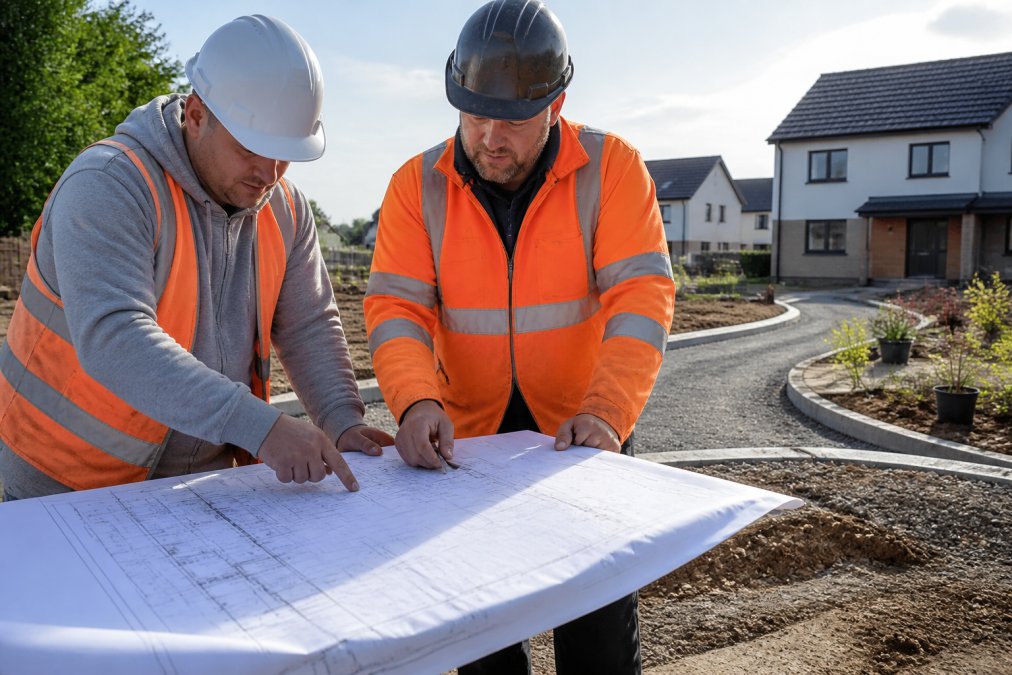
Ask explicitly about their approach to health and safety compliance. In the UK, construction sites must meet strict standards under the Health and Safety at Work etc. Act 1974 and the Construction (Design and Management) Regulations 2015. A builder confident in their work maintains comprehensive insurance, employs qualified site managers, and can explain their safety protocols in detail.
Discuss what happens if problems emerge during the build. How are disputes resolved? What recourse exists if quality falls short? Ask about their subcontractors and how they’re managed. Who coordinates specialist trades? Who’s responsible if a subcontractor’s work is substandard? Clear answers indicate professional project management.
Finally, ask for a detailed written quotation that itemises labour, materials, timelines, and payment schedules. Verbal quotes are worthless.
Never agree to a large deposit upfront. Legitimate builders request staged payments tied to project milestones, not lump sums before work begins. If a contractor demands significant money before starting, walk away.
What to Include in a Construction Contract
A construction contract is your legal protection. Without one, you have no recourse if the builder abandons the project, delivers poor work, or charges unexpectedly high fees.
Essential contract elements include a comprehensive scope of work describing exactly what will be built, renovated, or maintained. Attach detailed plans and specifications as appendices. If something isn’t explicitly included, assume it won’t be done.
The contract must state a fixed price or a transparent method for calculating costs. Fixed-price contracts protect you from cost overruns. Include a realistic timeline with start and completion dates, ideally with milestone-based schedules that create accountability and prevent indefinite delays.
Payment terms must be explicit. Specify the total contract value and payment schedule tied to project milestones. Never pay the full amount before final inspection.
The contract should address variations and changes to the original scope. How are these handled? Who approves them? Without clear variation procedures, scope creep becomes inevitable. Include a defects liability period specifying how long after completion the builder remains responsible for fixing defects. Twelve months is standard.
Ensure the contract specifies who carries insurance and what it covers. The builder should maintain public liability insurance and, for larger projects, contractor’s all-risk insurance.
How Long Does a Home Extension Take?
The timeline for a home extension depends on size, complexity, weather, and the builder’s efficiency. A modest single-storey rear extension typically takes 12 to 16 weeks from start to finish. Larger, multi-storey extensions or those requiring structural alterations can take 6 to 9 months or longer.
Groundworks and foundations usually consume 4 to 6 weeks. Structural work, walls, roof, and windows typically require 8 to 12 weeks. Finishing trades like electrics, plumbing, plastering, and decoration add another 6 to 10 weeks. Weather significantly impacts timelines; wet weather delays groundworks, brickwork, and roofing. Winter projects typically take longer than summer ones.
Building regulations inspections introduce scheduled delays. Budget an extra week or two for these inspections. If your extension requires planning permission or building regulation approval, add 8 to 12 weeks to the overall timeline. Utility relocations introduce additional delays if not anticipated.
Realistic timelines account for weather delays, inspection schedules, and the builder’s other commitments. Any builder promising completion in less than 12 weeks for a substantial extension is either underestimating or planning to cut corners.
Finding the right construction company in Suffolk requires clarity about what you need, realistic expectations about timelines and costs, and thorough due diligence before signing any agreement. The questions you ask, the contract you insist upon, and the builder’s transparency about process and pricing all predict project success.
KT Lake Paving and Landscaping understands that construction projects extend beyond structural work. Landscaping, driveways, and outdoor spaces form an integral part of property enhancement. Whether you’re completing a new-build project or refurbishing an existing property, professional paving and landscaping services elevate the finished result. The team’s experience with residential and commercial properties, combined with Brett Approved Premier Installer credentials and a 10-year product guarantee, ensures outdoor spaces receive the same quality attention as the building itself. For homeowners in Norfolk seeking to enhance their property’s aesthetic value through professional landscaping and driveway installation, exploring options with established local firms ensures both quality and accountability.
Frequently Asked Questions
What should I check before hiring a construction company in Suffolk?
Verify the contractor holds appropriate qualifications and insurance. Ask for references from recent projects and check their track record with local clients. Confirm they comply with UK Building Regulations and ask about their approach to health and safety. Request a detailed written quote and ensure they explain their process clearly. A reputable construction company will provide free estimates and answer all your questions without pressure.
How do I know a construction company is reputable?
Look for accreditations such as Brett Approved Premier Installer status or membership in recognised trade associations. Check client testimonials and ask for references you can contact directly. A trustworthy contractor will have a clear portfolio of completed work, transparent communication, and professional insurance. They should offer guarantees on their workmanship and be willing to provide a detailed contract before work begins.
What's the difference between a general contractor and a specialist builder?
General contractors manage multiple trades and handle diverse construction work across residential and commercial projects. Specialist builders focus on specific areas such as masonry, landscaping, or paving. For your project, consider whether you need someone experienced across many areas or an expert in a particular trade. Many construction companies in Suffolk offer both general services and specialised expertise.
How do I ensure my building project complies with UK Building Regulations?
Your contractor should be familiar with current UK Building Regulations and Building Standards. Ask them to explain how they'll ensure compliance during each phase of work. Request confirmation that inspections will be carried out at key stages. A professional construction company will manage regulatory requirements as part of their standard process and provide documentation proving compliance upon completion.


