

Table of Contents
- Driveway Paving Materials: What Works Best
- Resin Bound Driveway Pros and Cons
- Permeable Driveway Paving Regulations UK
- Frequently Asked Questions
Last Updated: September 19, 2026
Driveway Paving Materials: What Works Best
Selecting the right driveway paving materials affects your home’s appearance, longevity, and maintenance demands.
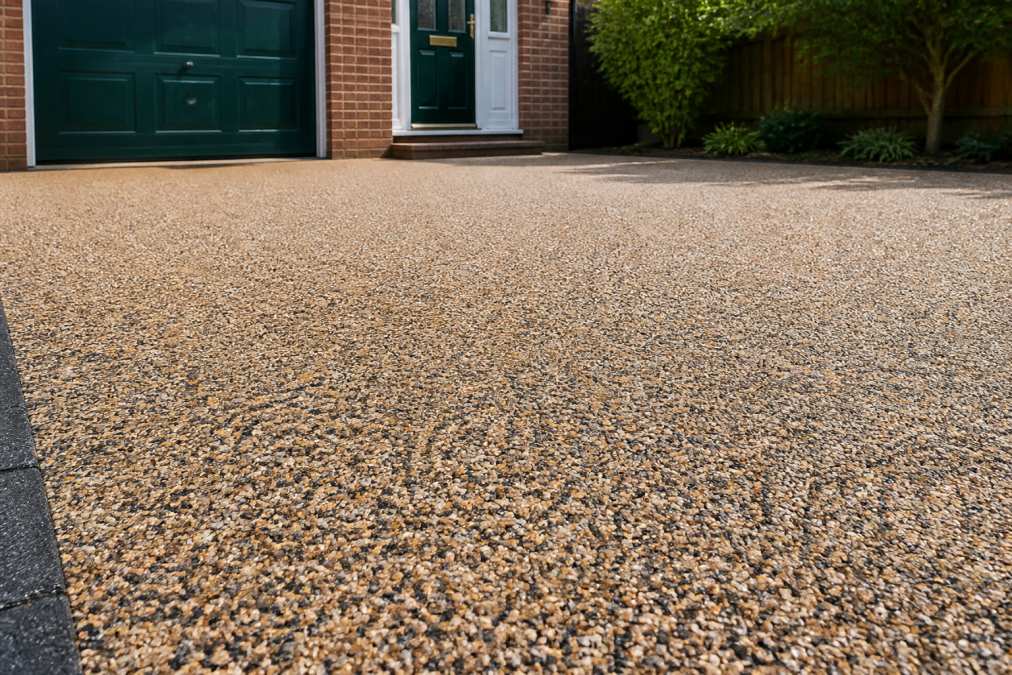
Popular driveway paving materials include resin bound aggregate (permeable, joint-free), concrete block paving (durable, flexible design), asphalt (cost-effective), hot tar and chip (rustic), natural stone setts (premium), permeable concrete pavers (drainage-compliant), clay pavers (traditional), and gravel (budget option). Each presents trade-offs between upfront cost, maintenance, longevity, and appearance. Regardless of the material selected, the long-term structural integrity of any surface depends heavily on the quality of the driveway base preparation.
Resin Bound Driveway Pros and Cons
Resin bound surfaces combine aggregate stones with clear resin to create a smooth, hard-wearing finish.
Key advantages include visual customisation and a joint-free finish that’s wheelchair and pushchair-friendly. The resin-to-stone ratio is critical for performance, making professional installation essential.
Installation quality is crucial; improper resin-to-stone ratios or sub-base preparation lead to cracking or sinking. Working with Brett Approved Premier Installers like KT Lake Paving and Landscaping ensures compliance with British Standards and a 10-year product guarantee. The material resists UV damage and weed growth.
Permeable Driveway Paving Regulations UK
UK regulations require new driveways to incorporate permeable paving where practical, using sustainable drainage systems (SuDS) to manage surface water runoff and reduce flooding risk. Homeowners should verify local council requirements, as some areas have additional guidelines.
Compliant materials include resin bound aggregate, permeable concrete pavers, porous asphalt, block paving with sand-filled joints, and gravel with stabilising grids.
Non-permeable materials require alternative drainage solutions like soakaways, increasing project costs (Guidance on the permeable surfacing of front gardens). Working with experienced contractors like KT Lake Paving and Landscaping ensures your Norfolk installation meets all current standards.
| Material | Permeability | Durability | Maintenance | Best For |
|---|---|---|---|---|
| Resin Bound | Fully Permeable | 10-15 years | Low | Modern homes needing drainage compliance |
| Permeable Pavers | Fully Permeable | 15-20 years | Moderate | Contemporary designs with flexibility |
| Block Paving | Permeable (joints) | 15-25 years | Moderate | Customisable traditional designs |
| Hot Tar & Chip | Non-permeable | 5-7 years | Low | Rural properties seeking rustic appeal |
| Asphalt | Non-permeable | 10-15 years | Moderate | High-traffic areas needing economy |
| Gravel | Fully Permeable | 2-3 years | High | Budget-conscious temporary solutions |
| Natural Stone | Permeable (joints) | 20-30 years | Moderate | Premium properties seeking luxury |
| Clay Pavers | Permeable (joints) | 20-25 years | Low | Period properties requiring traditional look |
For professional guidance on driveway paving materials and installation in Norfolk, KT Lake Paving and Landscaping offers free consultations. Their Brett Approved Premier Installer status and 10-year guarantee ensure your investment meets the highest standards.
Frequently Asked Questions
Which driveway paving material is most durable for the UK climate?
Resin-bound surfaces perform well in UK conditions, offering excellent weather resistance with their sealed finish. The choice depends on your budget and aesthetic preferences, but resin-bound driveways handle British weather reliably when professionally installed.
Do I need planning permission for a new driveway in the UK?
Most residential driveway replacements don’t require planning permission. However, if you’re installing more than 5 square metres of new impermeable paving in your front garden, you must use permeable materials or install drainage systems to comply with Building Regulations. Check with your local authority before starting work. KT Lake Paving can advise on your specific requirements during a free consultation.
What makes resin-bound driveways different from traditional tarmac?
Resin-bound surfaces combine aggregate stones with clear resin for a smooth, joint-free finish. Unlike tarmac, which can soften in heat and offers limited aesthetics, resin-bound driveways are available in numerous colours and require minimal maintenance. They’re also wheelchair-accessible and ideal for families with pushchairs.


