

Table of Contents
- Are Resin Bound Driveways Worth It? The Real Value Proposition
- Resin Bound Driveway Cost Per Square Metre: Pricing Breakdown
- Resin Bound vs Resin Bonded Driveways: Which Offers Better Value
- Resin Driveway Maintenance Tips: What You Need to Know
Are Resin Bound Driveways Worth It? A 2026 Value Guide
Last Updated: July 3, 2026
Are Resin Bound Driveways Worth It? The Real Value Proposition
When homeowners in Norfolk consider upgrading their driveway, the question of whether resin bound driveways are worth it depends on three factors: how long you plan to stay in the property, how much you value kerb appeal, and whether drainage compliance matters for your location. Resin bound driveways deliver SUDS compliant surfaces that manage water runoff effectively, a regulatory requirement in many areas, and provide a polished, upscale appearance that often increases property value more than cheaper alternatives.
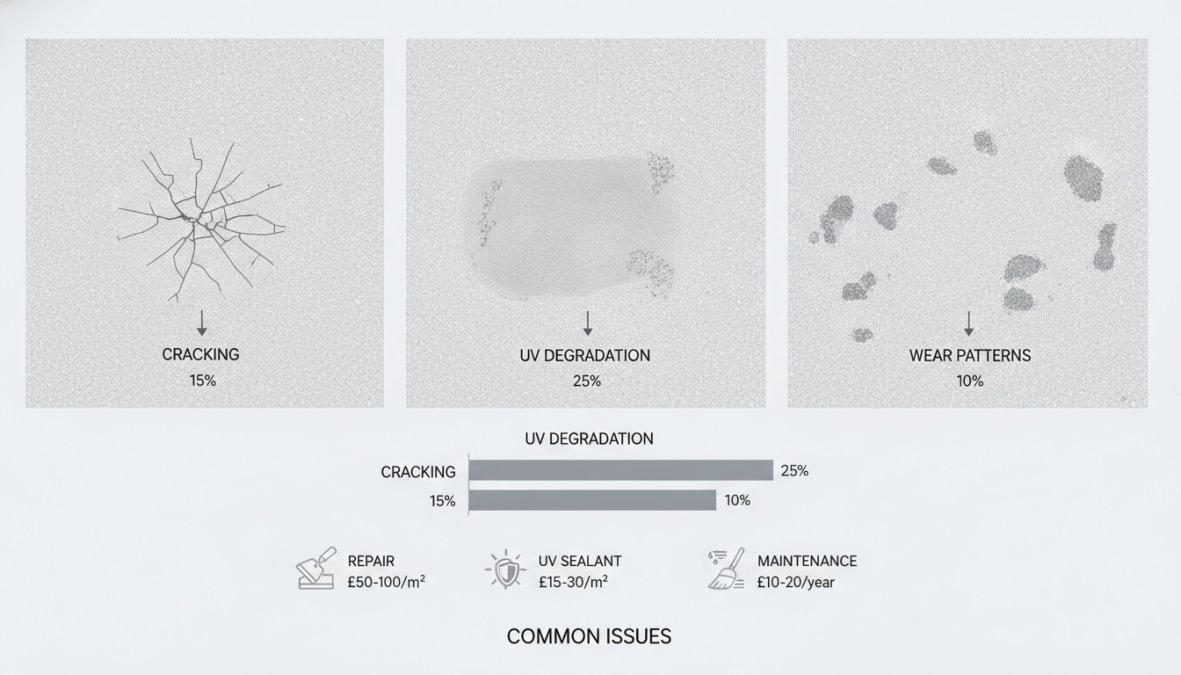
However, resin bound isn’t maintenance-free. UV stable resin formulations can still degrade under intense sun exposure, and heavy usage can cause surface cracking over time. Understanding these trade-offs upfront helps you decide whether the investment aligns with your needs.
| Factor | Resin Bound | Block Paving | Tarmac |
|---|---|---|---|
| Initial Cost Per m² | £40-60 | £25-40 | £15-25 |
| Lifespan (years) | 15-20 | 10-15 | 5-10 |
| Maintenance Level | Moderate | High | High |
| Permeable/SUDS Compliant | Yes | Yes | No |
| Slip-Resistant | Yes | Yes | No |
Resin Bound Driveway Cost Per Square Metre: Pricing Breakdown
In Norfolk, resin bound driveway installation typically costs £40-60 per square metre for quality work meeting British Standards, though premium finishes can reach £70 per square metre. The sub-base preparation often represents 30-40% of total project cost. A poorly prepared foundation leads to premature failure and expensive repairs, which is where many DIY attempts and cut-rate installers fail.
A common mistake is comparing only the surface material cost. A £30/m² resin installation on a weak sub-base will fail within 5-7 years. The same surface on proper groundworks lasts 15-20 years. The difference in total cost of ownership is dramatic.
For a typical 50-square-metre driveway, expect £2,000-£3,500 for complete installation including sub-base work. Smaller driveways cost proportionally more per square metre due to fixed labor costs. As a Brett Approved Premier Installer, KT Lake Paving and Landscaping provides free estimates that break down sub-base costs separately, so you understand exactly where your money goes.
Resin Bound vs Resin Bonded Driveways: Which Offers Better Value
Resin bound uses polyurethane resin mixed with aggregate before installation, with stones fully encapsulated within the binder. Resin bonded applies resin as a thin layer over existing surfaces, bonding loose aggregate to the top. Resin bound offers superior durability because the entire depth is reinforced, distributing weight across the full thickness and reducing stress concentration.
For residential driveways with regular family vehicles, resin bound provides better long-term value despite higher upfront cost. The weed-free surface eliminates annual maintenance headaches that block paving creates.
If you’re resurfacing an existing damaged driveway on a tight budget, resin bonded buys you 5-8 extra years of life at 40% less cost. For new installations where you control the sub-base, resin bound is the superior choice for driveway longevity.
Resin Driveway Maintenance Tips: What You Need to Know
Resin bound driveways demand less maintenance than block paving or tarmac. The weed-free nature eliminates the most time-consuming upkeep task. Annual pressure washing at low pressure (under 80 bar) removes dirt and organic growth. High-pressure equipment can damage the surface and dislodge aggregate.
Seal coating every 3-5 years extends lifespan significantly. Quality sealers protect against UV rays and water penetration, maintaining both appearance and structural integrity. This preventive step costs £200-400 for a typical driveway but can add 5+ years of service life.
The single biggest maintenance mistake is neglecting seal coating. Unsealed resin bound surfaces degrade 40% faster than sealed ones. This one task, costing a few hundred pounds every five years, often determines whether your driveway lasts 12 years or 18 years.
Ensure gutters and downspouts direct water away from the driveway edge. Pooling water accelerates UV degradation and can seep into the sub-base, compromising structural integrity. Surface cracking typically indicates movement in the foundation layer, not a defect in the resin itself. Professional installers use weed membrane and proper compaction to prevent this.
According to research from the British Board of Agrément’s driveway standards documentation, properly installed resin bound surfaces maintain structural integrity through 15-20 years of normal residential use when maintained with annual cleaning and periodic seal coating.
Choosing whether resin bound driveways are worth it requires honest assessment of your timeline and maintenance commitment. For Norfolk homeowners planning to stay 10+ years, the combination of kerb appeal, SUDS compliance, and reduced maintenance justifies the investment. The initial cost premium over tarmac recovers through lower long-term upkeep and superior durability.
KT Lake Paving and Landscaping offers free, no-obligation consultations to evaluate your specific property conditions and recommend the right surfacing solution. With our Brett Approved Premier Installer status and 10-year product guarantee, you’re backed by rigorous British Standards compliance and proven expertise. Contact us for a detailed estimate that breaks down costs transparently so you can make an informed decision.
Frequently Asked Questions
How long do resin bound driveways last?
A well-installed resin bound driveway typically lasts 15-25 years, though lifespan depends heavily on UV stable resin quality, sub-base preparation, and maintenance. Professional installation and proper drainage significantly extend durability. Regional climate, traffic volume, and regular cleaning all impact longevity. With professional care, many driveways maintain structural integrity and kerb appeal well into their third decade.
What are the main disadvantages of resin bound driveways?
Common resin bound driveway problems include surface cracking from temperature fluctuations, UV degradation of lower-quality resins, and sensitivity to poor sub-base preparation. Heavy usage and inadequate drainage can accelerate wear. Initial installation costs are higher than tarmac, and repairs can be costly if damage extends beyond surface level. UV stable resin formulations help mitigate fading, but long-term patch-work may be necessary.
Is resin bound cheaper than block paving?
Initial resin bound driveway cost per square metre is typically comparable to or slightly higher than block paving, ranging from £40-£80/m² installed. However, resin bound offers lower long-term maintenance costs, no weeds, minimal cleaning required, and fewer replacements. Block paving requires regular re-sanding and weed treatment. Over 20 years, resin bound often proves more economical despite higher upfront investment.
Does a resin bound driveway add value to your home?
Yes, resin bound driveways enhance kerb appeal and property value. They offer a modern, finished appearance that improves first impressions. SUDS-compliant permeable paving is increasingly valued by homebuyers. However, value addition depends on quality of installation, local market expectations, and overall property condition. A professionally installed resin bound driveway by a Brett Approved Premier Installer typically delivers better resale value than worn tarmac.


