

Table of Contents
- Can You Pour Resin Over Gravel? The Short Answer
- How to Prepare a Driveway for Resin
- Resin Bound vs Resin Bonded: Which Suits Your Gravel?
- Permeable Driveway Regulations UK and Resin Requirements
Last Updated: August 27, 2026
Can You Pour Resin Over Gravel? The Short Answer
No, you cannot simply pour resin directly over loose gravel and expect a durable result. Resin requires a stable, compacted base to bond properly. Pouring resin over unprepared gravel leads to movement, cracking, and failure within months.
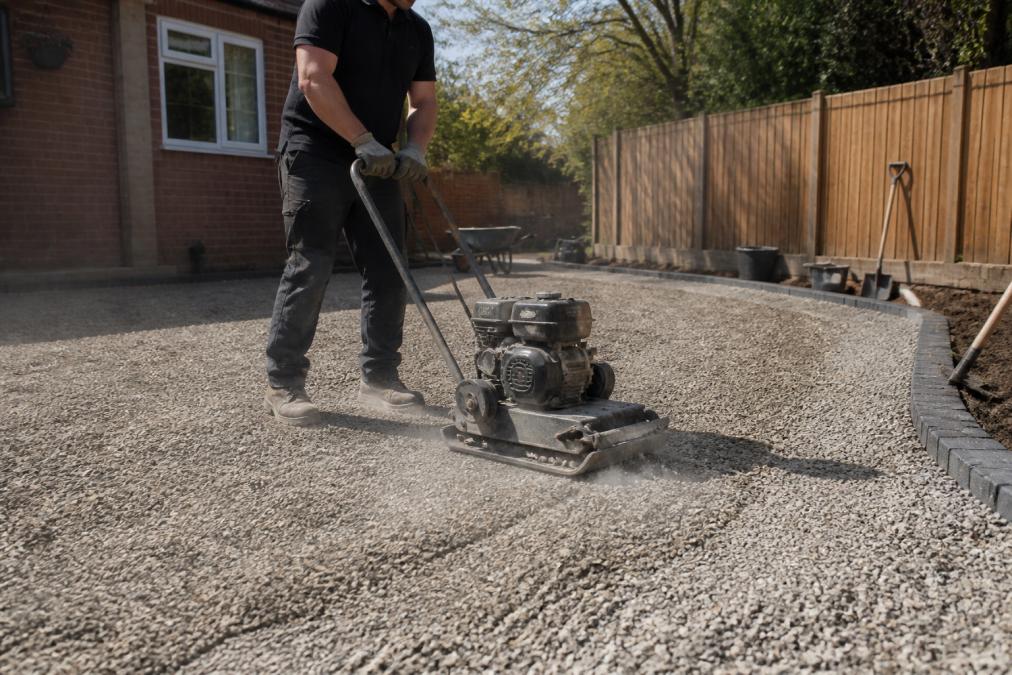
The critical question homeowners in Norfolk ask is whether their existing gravel surface can be salvaged with a resin overlay. The answer depends entirely on how thoroughly the gravel is prepared beforehand. KT Lake Paving and Landscaping has over 30 years of industry experience, and the difference between a successful resin installation and a failed one almost always comes down to sub-base preparation.
When you pour resin over unprepared gravel, the base shifts under foot traffic, the resin layer flexes and cracks, water seeps underneath, and the entire surface fails. This is the most common reason resin driveways disappoint homeowners who try to cut corners on preparation.
How to Prepare a Driveway for Resin
Preparing a driveway for resin is labour-intensive, but skipping steps creates expensive problems later.
Start by removing all loose gravel and debris from the surface. Sweep thoroughly, then use a pressure washer to remove dust and organic matter clinging to the remaining stones. Resin bonds to clean surfaces; dirt and algae create a barrier that prevents adhesion. Allow the surface to dry completely, typically 24 to 48 hours depending on weather conditions in Norfolk (peer-reviewed research).
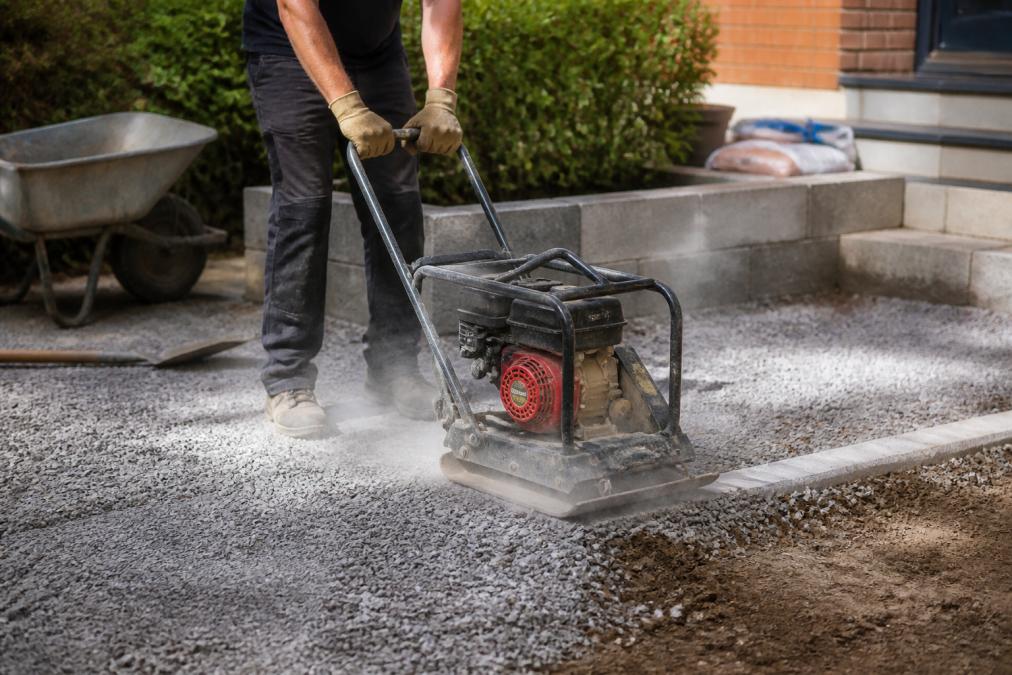
Next, compact the remaining gravel using a plate compactor or similar equipment. This is not optional. Loose gravel will shift under vehicle weight, and the resin layer will crack as the base moves beneath it. A properly compacted base should feel solid underfoot and show minimal movement when walked on firmly.
Inspect the compacted base for any remaining loose stones or debris. Fill any significant depressions with fresh crushed stone, then compact again. The goal is a level, stable foundation that will support the resin layer without flexing or settling.
Once the base is solid, apply a primer or bonding agent if recommended by your resin supplier. Only after the base is fully prepared, clean, and primed should you apply the resin.
Resin Bound vs Resin Bonded: Which Suits Your Gravel?
Resin bound is a mixture of resin and decorative aggregate applied as a single layer, typically 6-8mm thick. Resin bonded is decorative aggregate scattered onto liquid resin, creating a textured surface. Both require a solid base, but they differ in durability and appearance.
Resin bound surfaces are more durable because the aggregate is fully encapsulated in resin, preventing water penetration (peer-reviewed research). For driveways in Norfolk where rain and temperature fluctuations are common, resin bound typically outperforms resin bonded. Resin bonded is generally less expensive and offers a more textured appearance, whilst resin bound provides a sleeker finish and longer lifespan. For a driveway that will see regular vehicle traffic, resin bound is the more reliable investment.
Permeable Driveway Regulations UK and Resin Requirements
Building regulations in the UK require new driveways and surfacing to be permeable or to incorporate sustainable drainage systems (gov.uk). This regulation affects how you can install resin over gravel in Norfolk. A solid resin surface that doesn’t allow water to drain can violate these requirements unless you incorporate permeable resin systems or install appropriate drainage infrastructure.
Permeable resin bound surfaces allow water to drain through the resin layer into the base below, then into the ground or a drainage system. These systems comply with UK building standards whilst still providing the durability and appearance benefits of traditional resin. If your property is subject to Building Regulations approval, confirm whether your resin system meets permeable requirements before installation begins.
Preparing a gravel driveway for resin is the foundation of a successful installation. The difference between a surface that lasts a decade and one that fails within a year comes down to how thoroughly the base is compacted and cleaned before the resin is applied. Homeowners in Norfolk who attempt to skip preparation steps typically end up paying twice.
KT Lake Paving and Landscaping understands these preparation requirements and applies them consistently across every project. As a Brett Approved Premier Installer, the team ensures every driveway meets rigorous British Standards and includes a 10-year product guarantee. Contact KT Lake Paving and Landscaping to discuss your driveway project with a free, no-obligation consultation.
Frequently Asked Questions
Is it possible to lay resin over existing gravel?
Yes, you can pour resin over gravel, but only after thorough preparation. The gravel must be cleared of debris, compacted firmly, and levelled. Loose or uneven gravel will cause the resin to fail prematurely. Proper sub-base installation is essential to prevent sinking and cracking. Rushing this step is the main reason resin applications fail on gravel surfaces.
What is the difference between resin bound and resin bonded gravel?
Resin bound mixes aggregate and resin together before application, creating a uniform, permeable surface ideal for new installations. Resin bonded applies resin to an existing gravel base, bonding loose stones together. Resin bonded is generally less durable. Resin bound offers superior longevity and aesthetic finish, making it the preferred choice for driveways requiring long-term performance.
Do I need a sub-base for a resin driveway?
Yes, a proper sub-base is critical. Without it, the resin will sink, crack, and fail within months. The sub-base should be compacted hardcore or recycled asphalt, typically 100-150mm deep, to provide stability and drainage. This foundation prevents movement caused by freeze-thaw cycles and heavy vehicle weight. Skipping or rushing sub-base preparation is the most common reason resin applications fail prematurely.


