

Table of Contents
- How to Get a Free Driveway Paving Estimate That’s Actually Useful
- Average Cost of Driveway Paving: What the Numbers Look Like
- Key Factors Influencing Paving Quotes in Norfolk
- Questions to Ask Paving Contractors Before You Commit
Last Updated: June 13, 2026
Getting a driveway paving quote should be straightforward, but most homeowners walk away confused, overcharged, or holding a vague figure that bears no resemblance to their final invoice. This guide covers how to get a free driveway paving estimate that actually means something, from measurements and materials to the questions that separate serious contractors from time-wasters. KT Lake Paving and Landscaping has helped hundreds of Norfolk homeowners make confident decisions about their driveways. Here’s exactly how to prepare, what to expect, and what the numbers should look like in 2026.
How to Get a Free Driveway Paving Estimate That’s Actually Useful
Most people approach the estimate process backwards: they call a contractor, wait for someone to show up, and accept whatever figure lands in their inbox. A free driveway paving estimate is only useful when you’ve done the groundwork first.
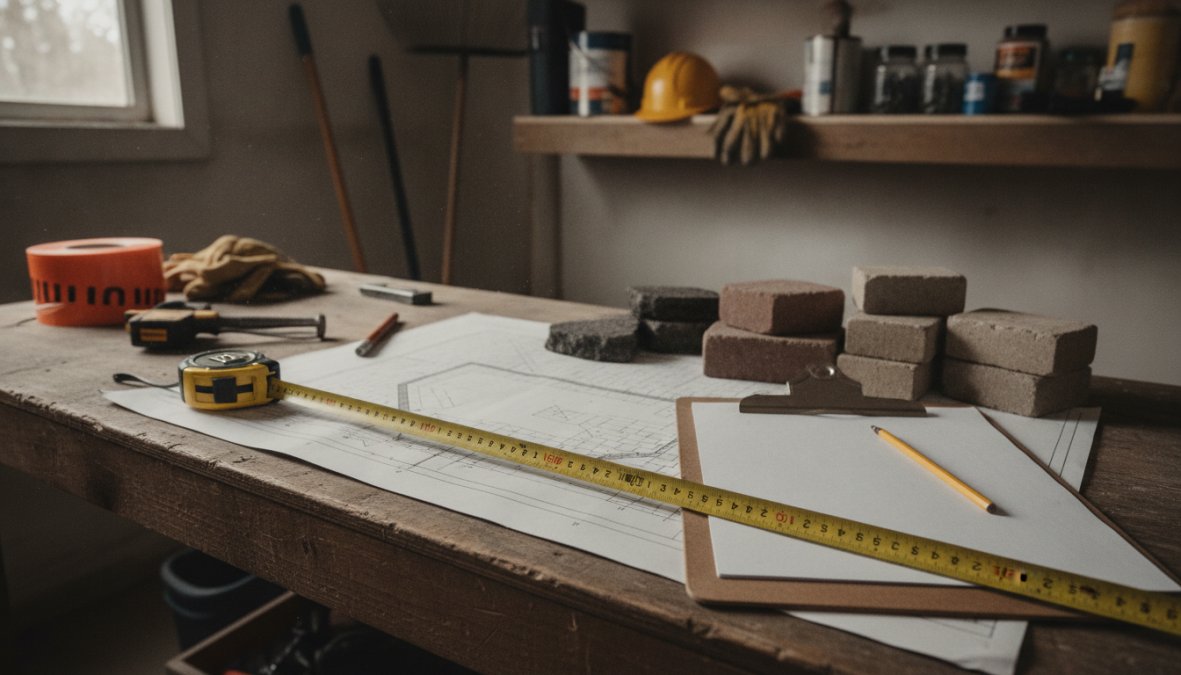
Start by measuring your surface area. Multiply length by width for square footage; break irregular shapes into rectangles and add the totals. Then identify your project scope before anyone arrives:
- New installation: Full sub-base preparation, compaction, and surface layer
- Resurfacing: Asphalt milling of the existing surface, then a fresh hot mix asphalt layer
- Tearout and replacement: Demolition, disposal, and full reinstallation
- Repair only: Crack filling, patching, or sealcoating an otherwise sound pavement
Each scope carries a different cost structure. Knowing which applies lets you challenge any contractor quoting for work you don’t need.
Before your first contractor visit, [photograph the existing surface](/gallery/) from multiple angles. Cracks, drainage issues, and surface deformation are often used to justify upselling. Your photos create a record of actual condition and keep the conversation honest.
According to the Chartered Institution of Highways and Transportation’s guidance on residential paving, proper sub-base preparation is the single most important factor in pavement longevity. Any estimate that doesn’t itemise base preparation separately is worth querying.
Once you have your measurements and project type confirmed, contact at least three local contractors and request a written, itemised quote. A proper quote covers materials, labour, site preparation, disposal, and any drainage or edging work separately. Verbal estimates are not estimates, they’re impressions.
Average Cost of Driveway Paving: What the Numbers Look Like
Driveway paving costs in Norfolk vary by material choice, driveway dimensions, and installation complexity. Material costs depend on surface type; labour reflects crew size, site preparation time, and local market rates.
| Surface Type | Typical Use Case | Relative Cost | Lifespan (Approx.) |
|---|---|---|---|
| Hot mix asphalt | Residential driveways, high traffic | Mid-range | 20-30 years |
| Cold mix asphalt | Temporary repairs, low traffic | Lower | 2-5 years |
| Resin bound | Decorative, permeable surfaces | Higher | 15-25 years |
| Tar and chip | Rural, textured finish | Mid-range | 10-20 years |
| Concrete | Long-term investment | Higher | 30-40 years |
A standard residential driveway requires a compacted asphalt layer of 50mm-75mm over a prepared aggregate sub-base. Thinner applications cost less upfront but fail sooner, particularly where drainage is poor or heavy vehicles are present. Tearout costs add to any replacement project, always confirm demolition and disposal are included, as contractors who omit them often add them later.
An unusually low paving quote almost always means something is missing: sub-base preparation, proper compaction, drainage installation, or waste disposal. Skipping any of these doesn’t just reduce quality, it can void your guarantee and create drainage problems that damage your property.
As noted by the UK Asphalt Industry Alliance’s homeowner resources, total installed cost depends heavily on ground conditions and access. Soft or waterlogged ground requires deeper excavation and more aggregate, increasing both material and labour costs.
Key Factors Influencing Paving Quotes in Norfolk
Norfolk’s geography and climate directly affect what you’ll pay and what you should insist on in any quote. The region’s clay-heavy soils expand and contract with moisture, putting stress on any surface above, a contractor who doesn’t account for this in base preparation is setting up a premature failure.
Several factors drive quote variation across Norfolk specifically:
- Access and logistics: Narrow lanes or restricted driveways increase labour time and cost
- Existing drainage: Inadequate surface water drainage requires additional installation before paving begins
- Driveway dimensions: Larger areas benefit from economies of scale; unusually narrow driveways increase complexity
- Edging requirements: Block edging, kerbing, or decorative borders add material and installation costs
- Permitting considerations: Porous and resin bound surfaces are generally exempt from planning permission; impermeable surfaces over 5 square metres on front driveways require it under current UK regulations. Any contractor who doesn’t raise this is either uninformed or hoping you won’t ask.
According to Planning Portal guidance on hard surfaces and driveways, front driveways using non-permeable materials may require a planning application, a step many homeowners miss until after installation.
A driveway paving estimate is only comparable to another when both cover identical specifications. Before accepting the lowest quote, confirm that sub-base depth, material grade, drainage provision, and warranty terms are equivalent across all quotes received.
A higher-specification surface costs more upfront but requires less remedial work over its lifespan. Sealcoating asphalt every three to five years significantly extends pavement life, factor in the maintenance schedule each contractor recommends, not just the installation cost.
Questions to Ask Paving Contractors Before You Commit
The quality of a paving contractor reveals itself in how they answer questions, not in how polished their brochure looks.
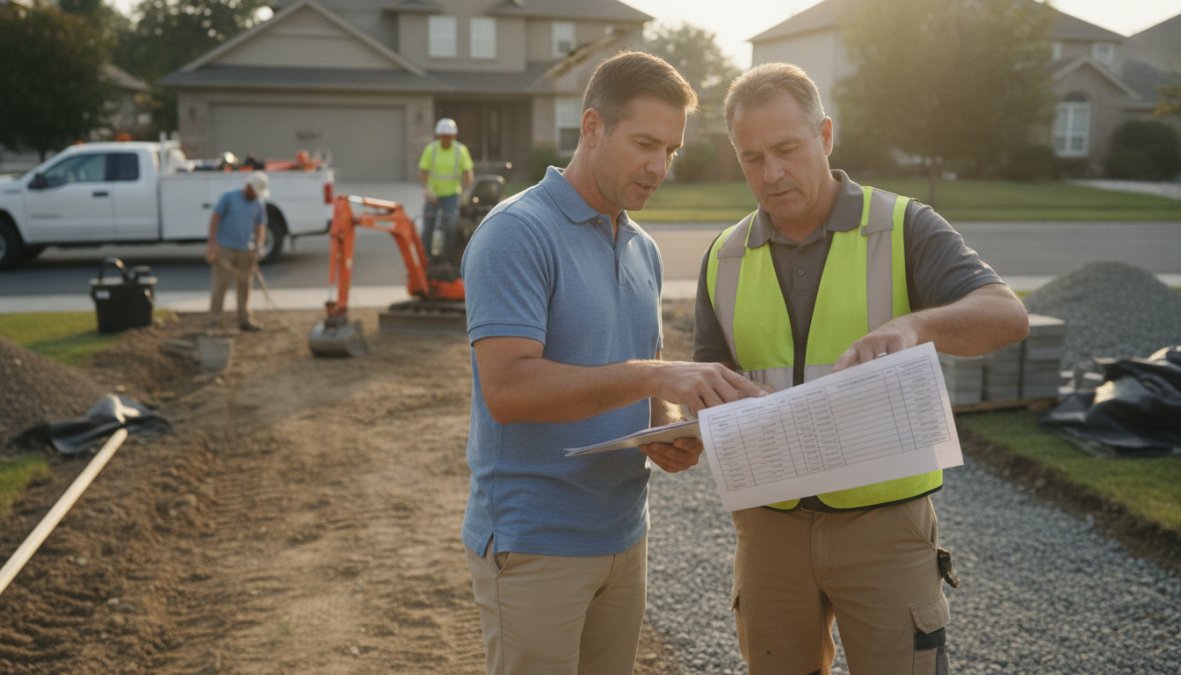
Treat the estimate visit as an active process. The right questions expose gaps in specification, surface weak guarantees, and reveal whether a contractor understands your site conditions.
- What sub-base depth are you specifying, and why? A professional will explain this relative to your soil type and traffic load. Vague answers suggest a one-size-fits-all approach.
- Is tearout and disposal included in this quote? Get a yes or no, not an "it depends."
- What asphalt mix grade are you using? A contractor who can’t specify the mix should raise a flag.
- Does this surface require planning permission? A contractor who handles this regularly will answer immediately.
- What does your guarantee cover, and who backs it? Workmanship and product guarantees are different, ask for both in writing.
- Are you a certified or approved installer with any trade body? Accreditations like Brett Approved Premier Installer status indicate independently assessed work, not just self-certification.
- Do you require a deposit? A large upfront deposit request before work begins is worth scrutinising.
Push for itemised quotes, ask for references from recent local projects, and trust the contractor who answers directly over one who deflects. For further guidance on contractor vetting, the Federation of Master Builders’ contractor checklist for homeowners provides a practical framework for evaluating any tradesperson before you commit.
Choosing the right paving contractor in Norfolk is harder than it should be, largely because most quotes aren’t written to be compared. KT Lake Paving and Landscaping offers free, no-obligation estimates that are fully itemised, backed by over 30 years of industry experience, and delivered without pressure. As a Brett Approved Premier Installer, every installation meets rigorous British Standards and comes with a 10-year product guarantee, with no deposit required. Get your free driveway paving estimate from KT Lake Paving and Landscaping and know exactly what you’re paying for before a single tool hits your driveway.
Frequently Asked Questions
How much does it typically cost to pave a driveway?
The average cost of driveway paving varies depending on surface area, material choice, sub-base condition, and labour costs in your region. Hot mix asphalt tends to be more affordable than concrete or resin bound surfaces, while porous asphalt and premium finishes sit at the higher end. Getting a free, itemised contractor estimate based on your specific driveway dimensions and project scope is the most reliable way to establish a realistic budget baseline.
What questions should I ask a paving contractor when getting a quote?
When you get a free driveway paving estimate, ask contractors whether the price includes base preparation, compaction, and site clearance. Ask about asphalt thickness, the material type being used, and whether tearout of the existing surface is included. Confirm whether they carry public liability insurance, hold any accreditations such as Brett Approved Premier Installer status, and what guarantee covers both materials and workmanship. Always request an itemised quote.
Is asphalt or concrete a better choice for a driveway?
Asphalt paving typically has a lower upfront installation cost and is easier to repair, making it a popular choice for residential driveways. Concrete tends to last longer with less maintenance but costs more initially and can crack in freeze-thaw climates. In Norfolk, where ground movement and seasonal temperature shifts are factors, hot tar and chip or resin bound surfaces offer strong durability. The right choice depends on your budget, aesthetic preferences, and long-term maintenance plans.
Should I get multiple estimates for driveway paving?
Yes, getting at least two or three free driveway paving estimates is strongly recommended. Comparing quotes helps you understand the local going rate for labour costs and materials, spot unusually low bids that may cut corners on sub-base or compaction, and identify contractors who provide clear, itemised breakdowns. Look beyond price alone: accreditations, product guarantees, and years of experience are equally important factors when evaluating whether a paving quote represents genuine value.
What factors most influence a driveway paving quote?
The main factors influencing paving quotes include the total square footage of the surface area, the condition of the existing sub-base, whether tearout or asphalt milling is required, the material selected (hot mix asphalt, cold mix, porous asphalt, or resin bound), and the asphalt thickness specified. Optional features such as drainage installation, edging, and pavement markings add to the project scope. Local labour costs, site access, and any permitting requirements in your area also affect the final contractor estimate.


